Lake Manyara National Park
About Lake Manyara National Park
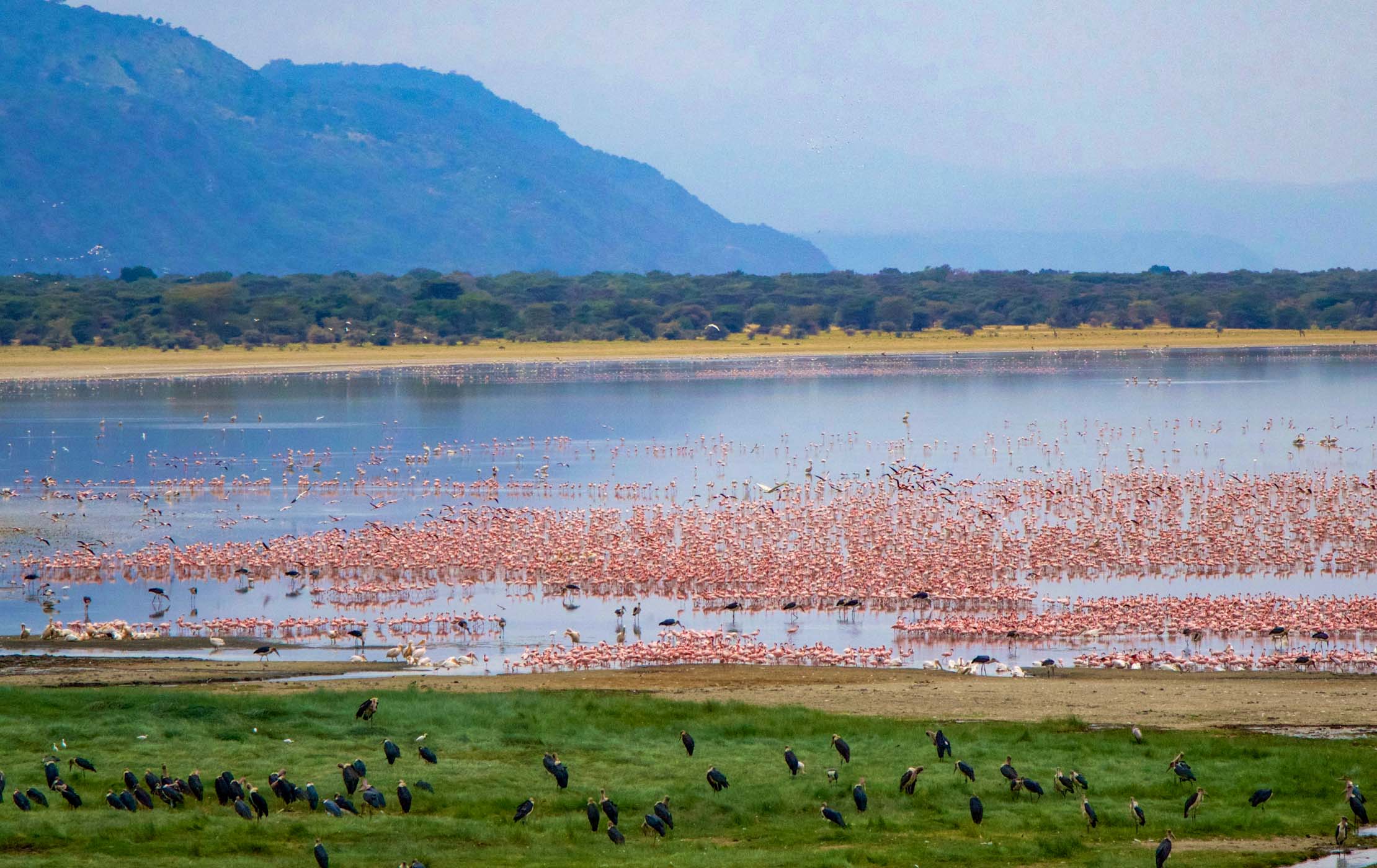
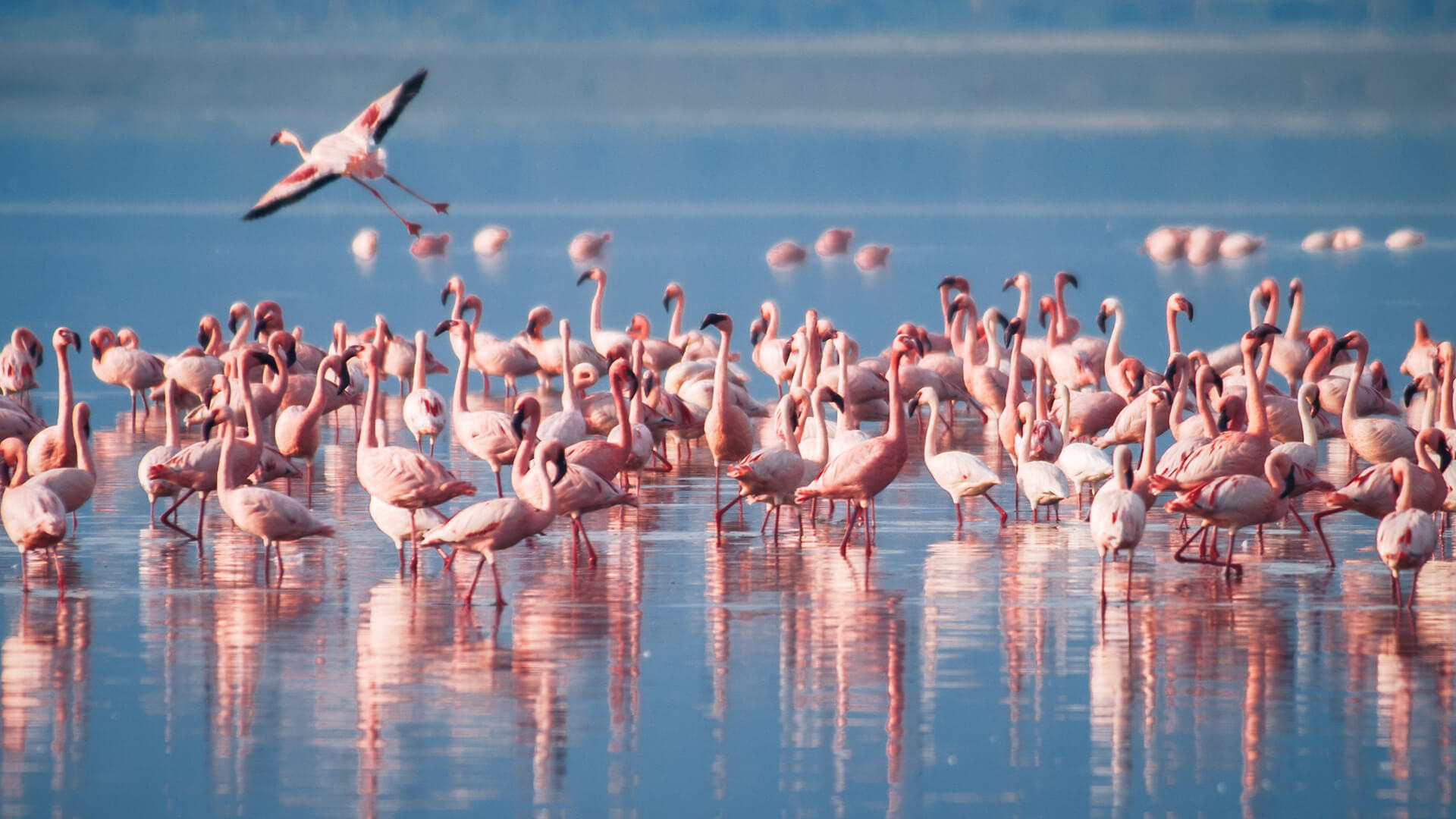
Tanzania is home to Lake Manyara National Park, a compact yet incredibly diverse safari destination famous for its tree-climbing lions, scenic beauty, and rich birdlife. Nestled at the base of the Great Rift Valley escarpment, the park stretches along the shallow alkaline lake that covers a large portion of its area, creating a unique ecosystem that attracts thousands of flamingos and other water birds.
Despite its relatively small size, Lake Manyara offers a remarkable variety of landscapes—from lush groundwater forests and open grassy plains to acacia woodlands and hot springs. The park lies at an altitude of approximately 960 meters and serves as a perfect introduction to Tanzania’s northern safari circuit. It is located about 126 km (78 miles) from Arusha, making it easily accessible and often combined with nearby destinations like the Ngorongoro Crater and Serengeti National Park.
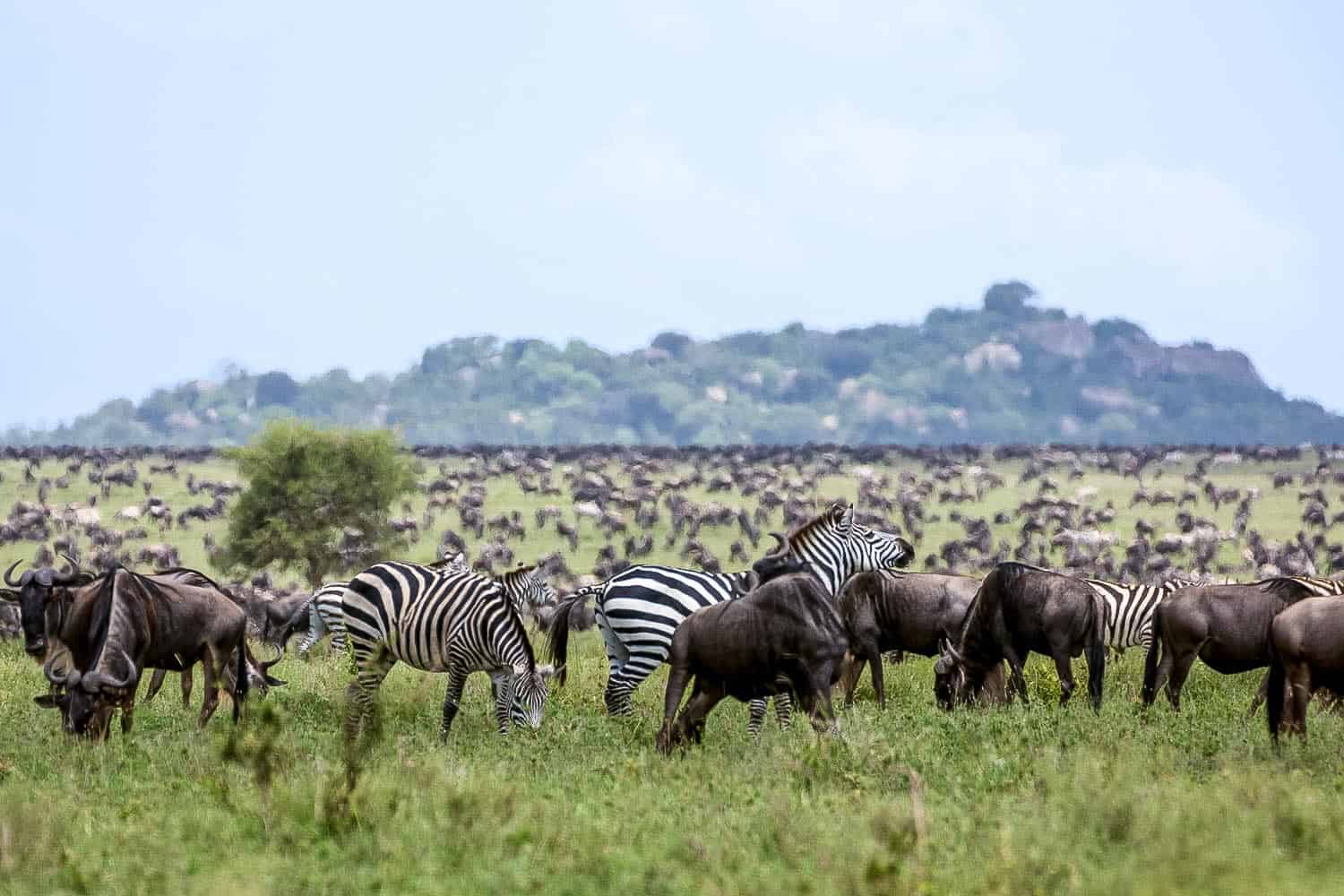
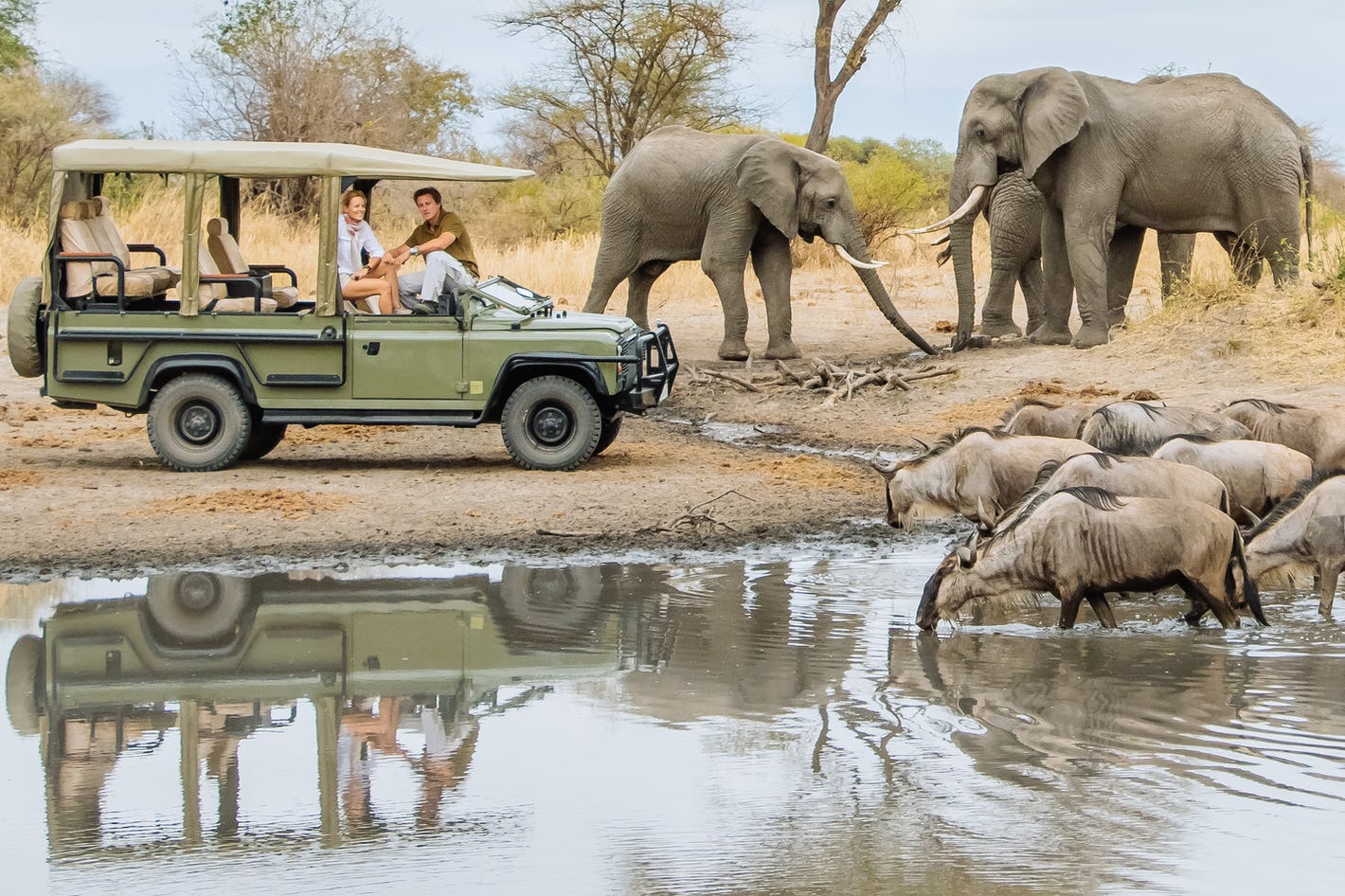
Wildlife viewing in Lake Manyara is impressive, with large populations of elephants, buffaloes, giraffes, zebras, and hippos. The park is especially famous for its elusive tree-climbing lions, often seen resting on acacia branches. Bird enthusiasts will be delighted by over 400 bird species, including flamingos, pelicans, storks, and kingfishers.
To fully enjoy the park, a 1–2 day safari is usually sufficient, though photographers and nature lovers may prefer longer stays to capture its changing scenery and abundant wildlife.
Why visiting Lake Manyara National Park
1. Tree-Climbing Lions
Lake Manyara is one of the few places in the world where lions are known to climb trees, offering a rare and unique wildlife experience.
2. Exceptional Birdlife
The park is a paradise for bird lovers, hosting over 400 species including flamingos, pelicans, and migratory birds along the lake shores.
3. Diverse Landscapes
From dense forests to open savannahs and soda lake shores, the park packs multiple ecosystems into one destination.
4. Large Elephant Herds
Lake Manyara is known for its healthy elephant population, often seen in family groups moving through the forest.
5. Scenic Rift Valley Escarpment
The dramatic backdrop of the Great Rift Valley escarpment creates stunning views throughout the park.
6. Hippo Pools & Hot Springs
Visit the hippo pools and natural hot springs, adding variety to your safari experience.
7. Ideal for Short Safaris
Perfect for travelers with limited time, offering rich wildlife experiences within a short visit.
8. Canoeing & Unique Activities
Seasonal canoe safaris on the lake provide a different perspective of wildlife viewing.
9. Close to Other Major Parks
Conveniently located near Ngorongoro and Serengeti, making it an essential stop on the northern circuit.
10. Less Crowded Experience
Compared to larger parks, Lake Manyara offers a more peaceful and intimate safari atmosphere
Best Time to Go
- June – October (Dry Season): Best for wildlife viewing as animals gather near water sources.
- November – May (Green Season): Ideal for birdwatching, lush scenery, and fewer crowds.
Lake Manyara National Park
Packages for this Destination
Tanzania Wildlife Safari Ngorongoro Crater & Lake Manyara Experience
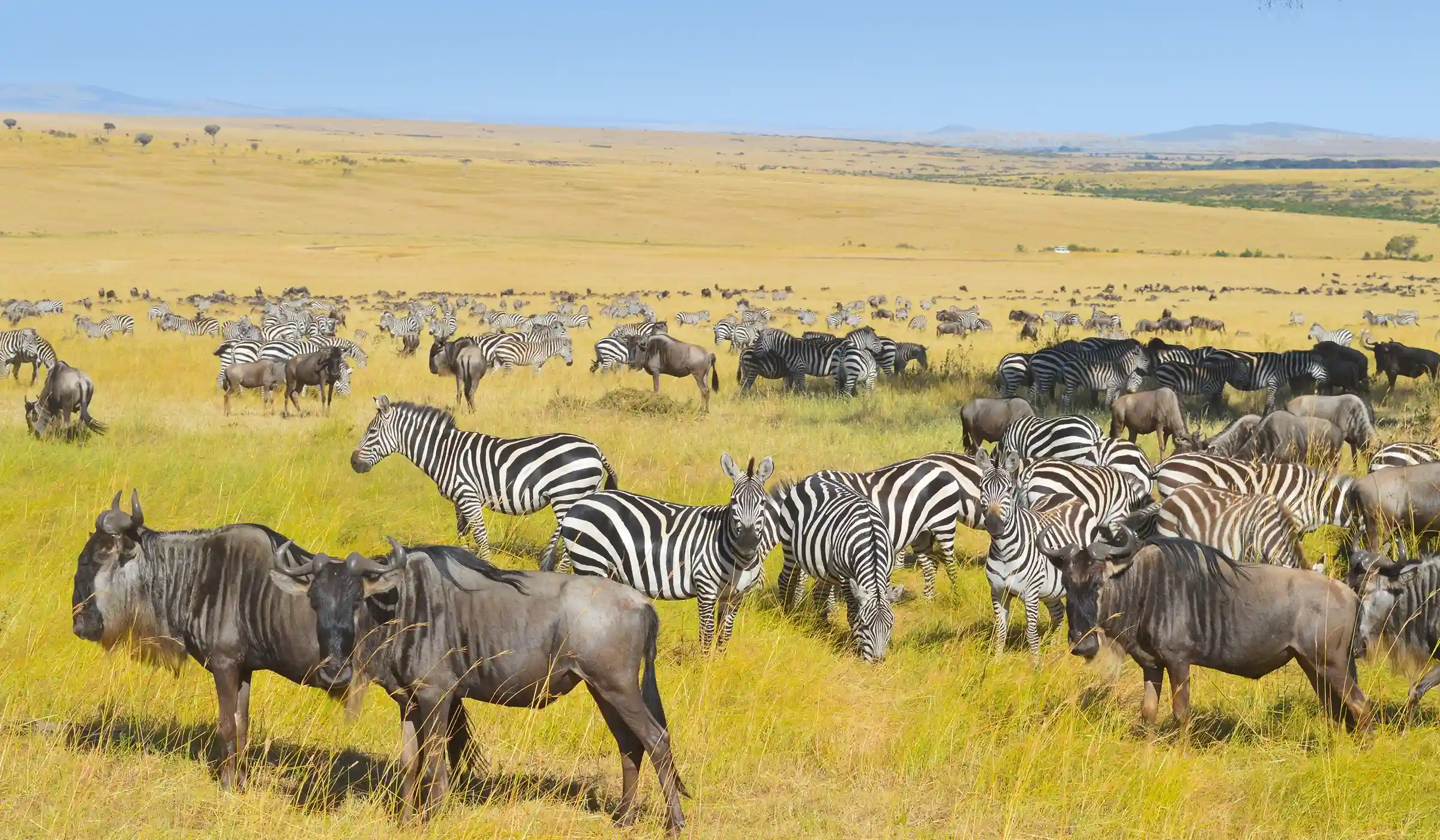
Kenya and Tanzania Wildlife Safari
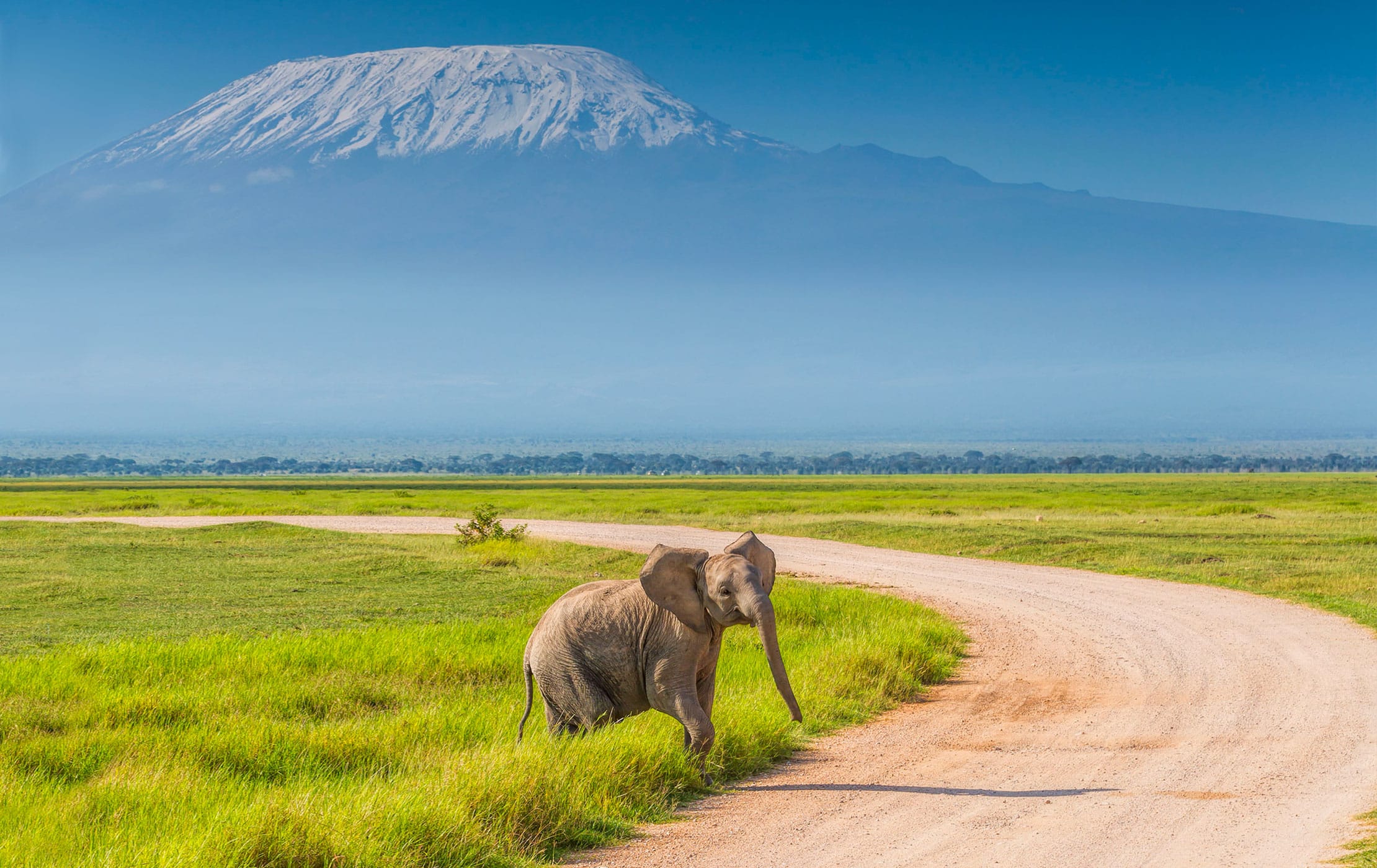
Kenya and Tanzania Classic Wildlife Safari Adventure
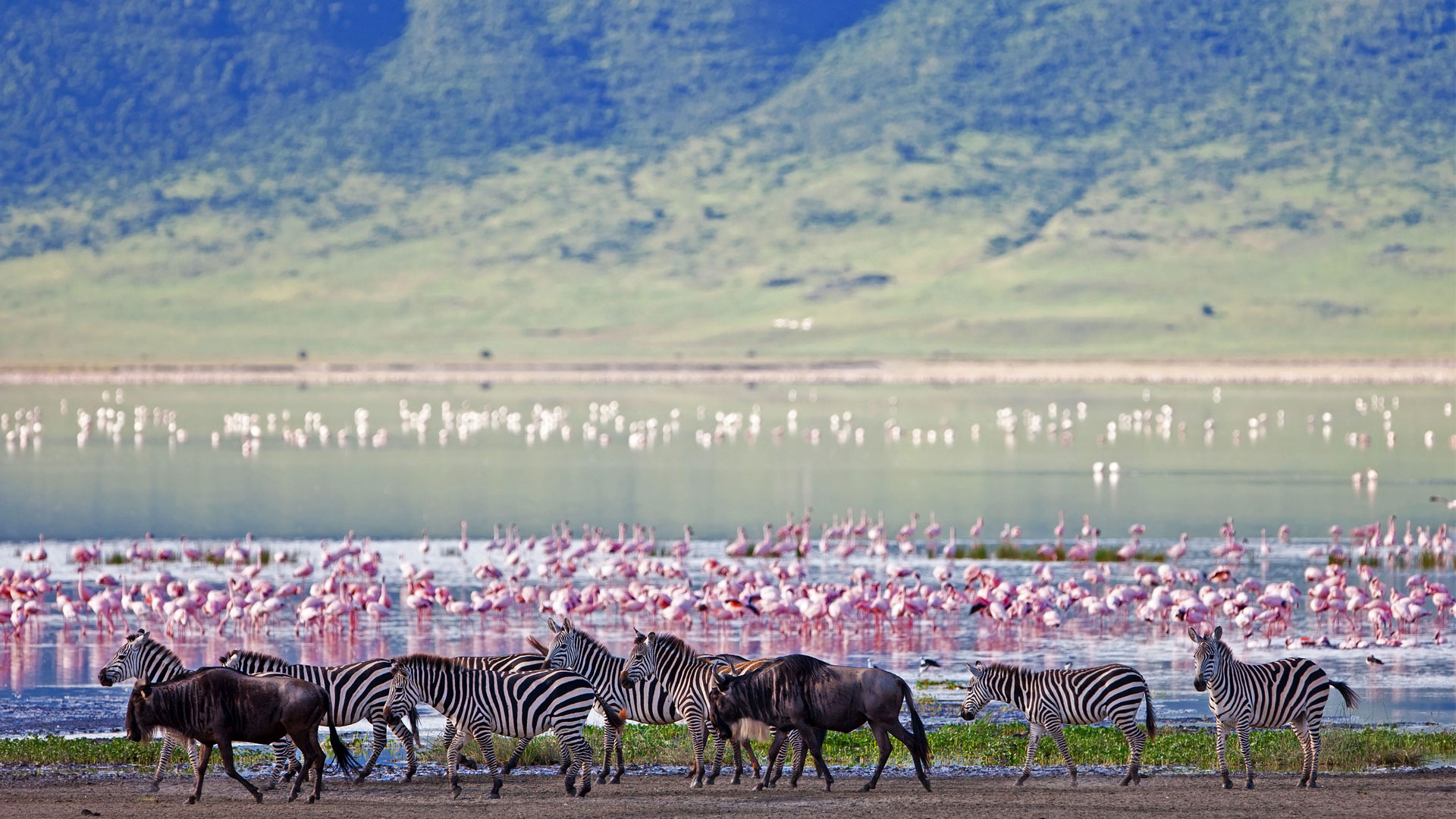
Tanzania Camping Safari Serengeti, Ngorongoro & Wildlife Adventure