
Mount Kenya
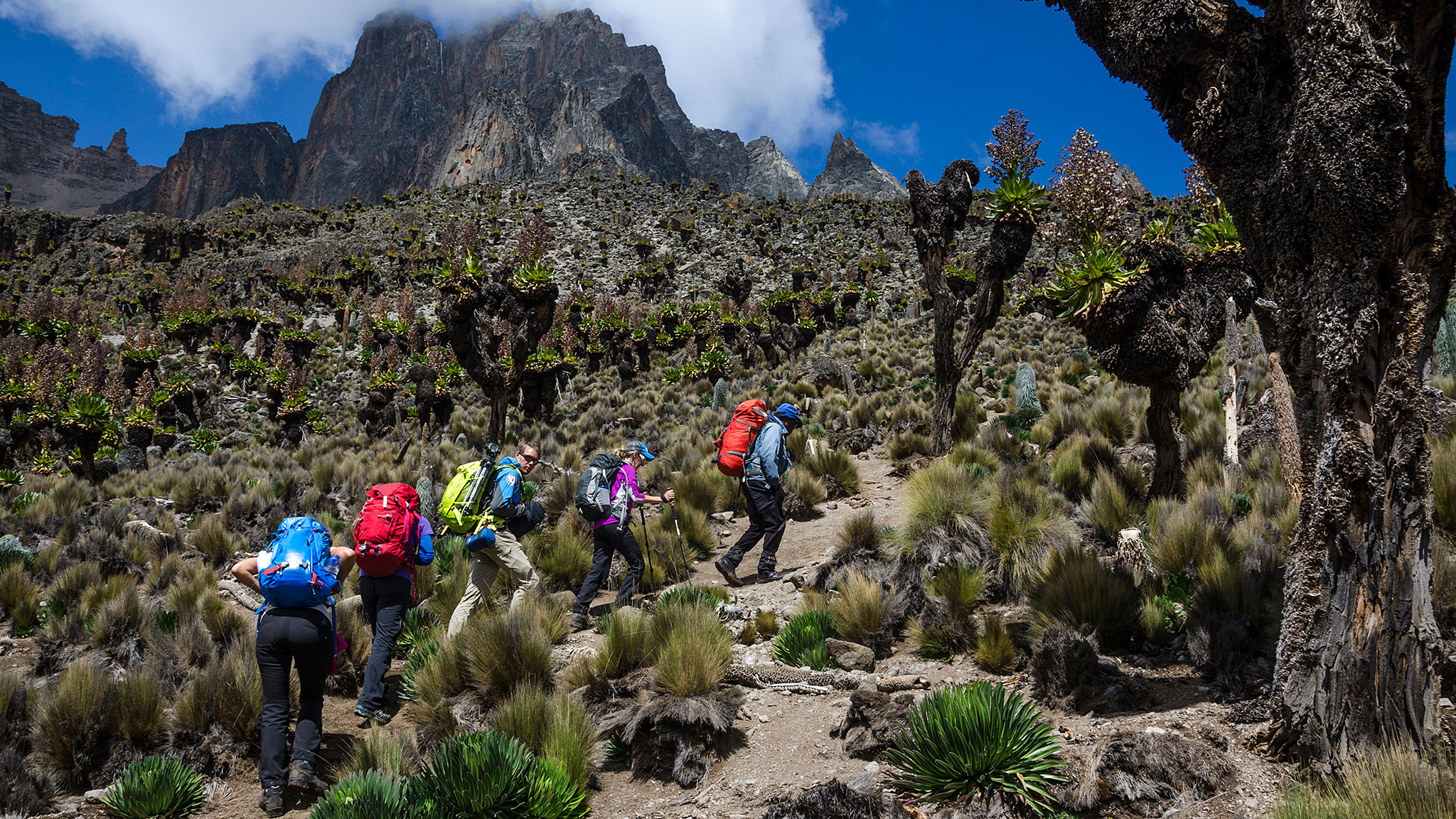
About Mount Kenya
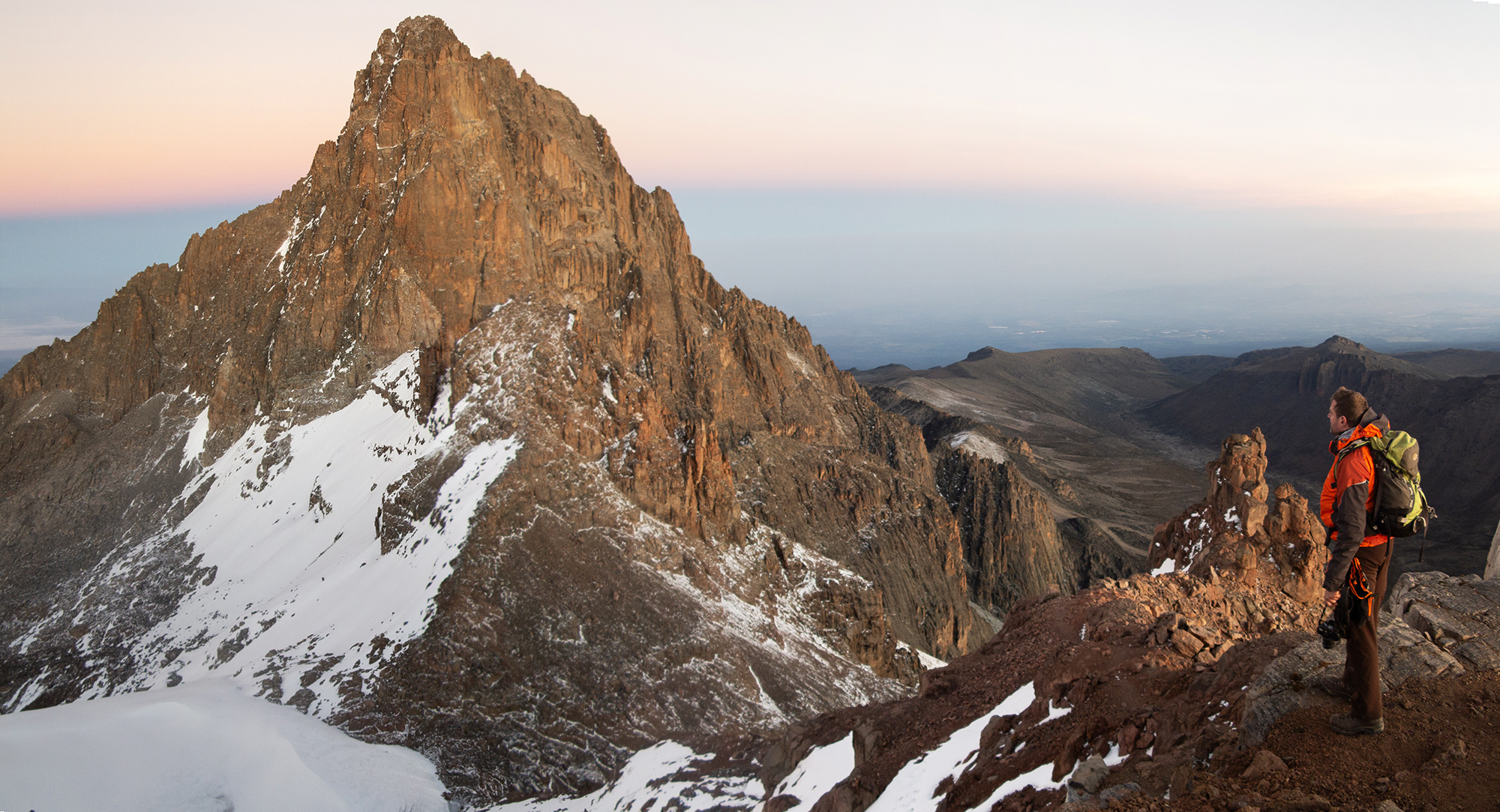
Kenya is home to Mount Kenya, Africa’s second-highest mountain and one of the most spectacular trekking destinations on the continent. Rising to 5,199 meters (17,057 ft), this extinct volcanic mountain is a UNESCO World Heritage Site, known for its rugged peaks, glaciers, alpine meadows, and diverse ecosystems that change dramatically with altitude.
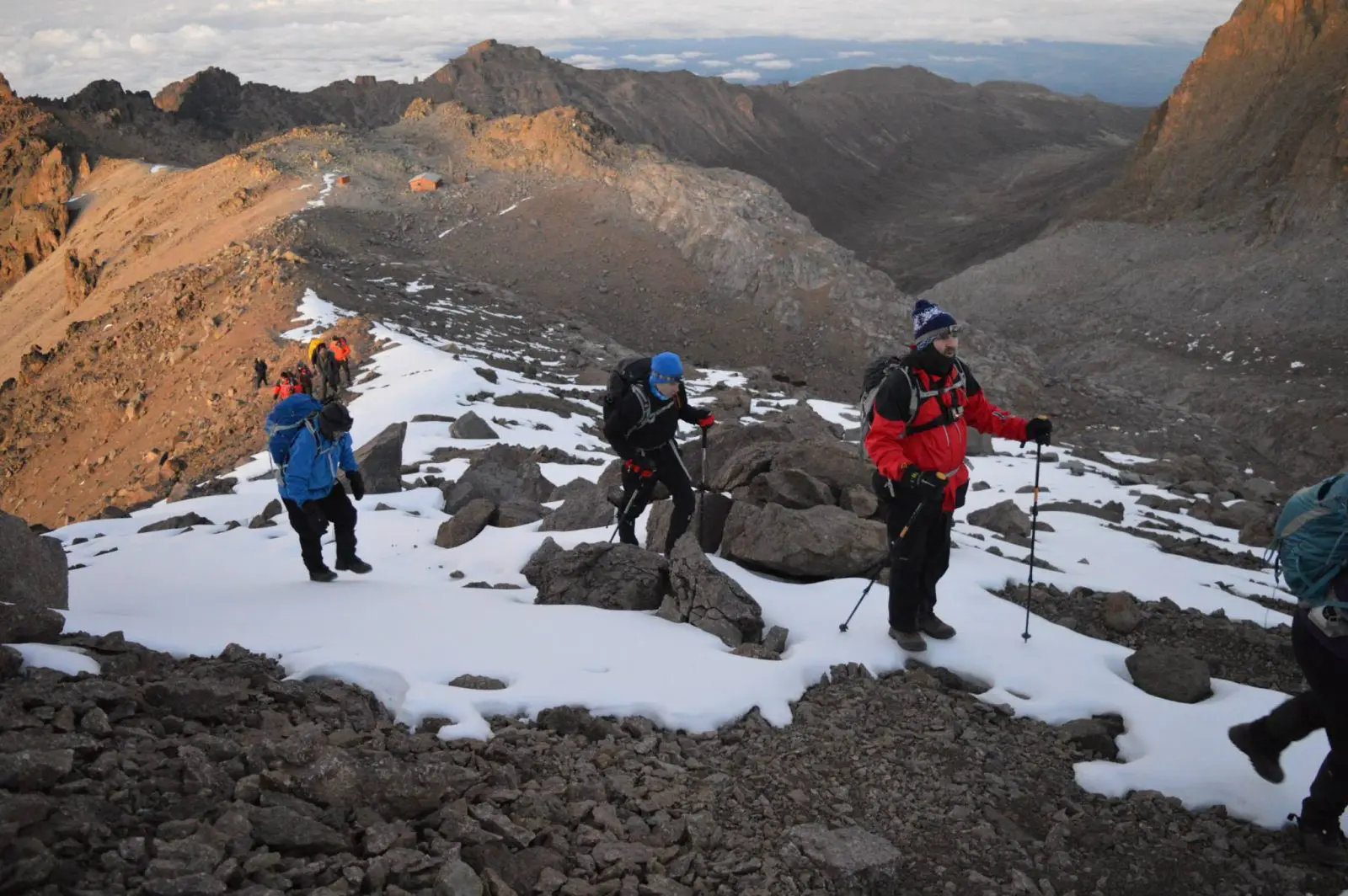
Located about 175 km (108 miles) north of Nairobi, Mount Kenya is surrounded by the Mount Kenya National Park, which protects a rich variety of wildlife including elephants, buffaloes, monkeys, and unique high-altitude species. The mountain features several trekking routes such as Sirimon, Chogoria, and Naro Moru, each offering different scenery and levels of challenge. The most popular trekking goal is Point Lenana (4,985 m), which is accessible to hikers without technical climbing skills, while Batian and Nelion peaks require mountaineering expertise.
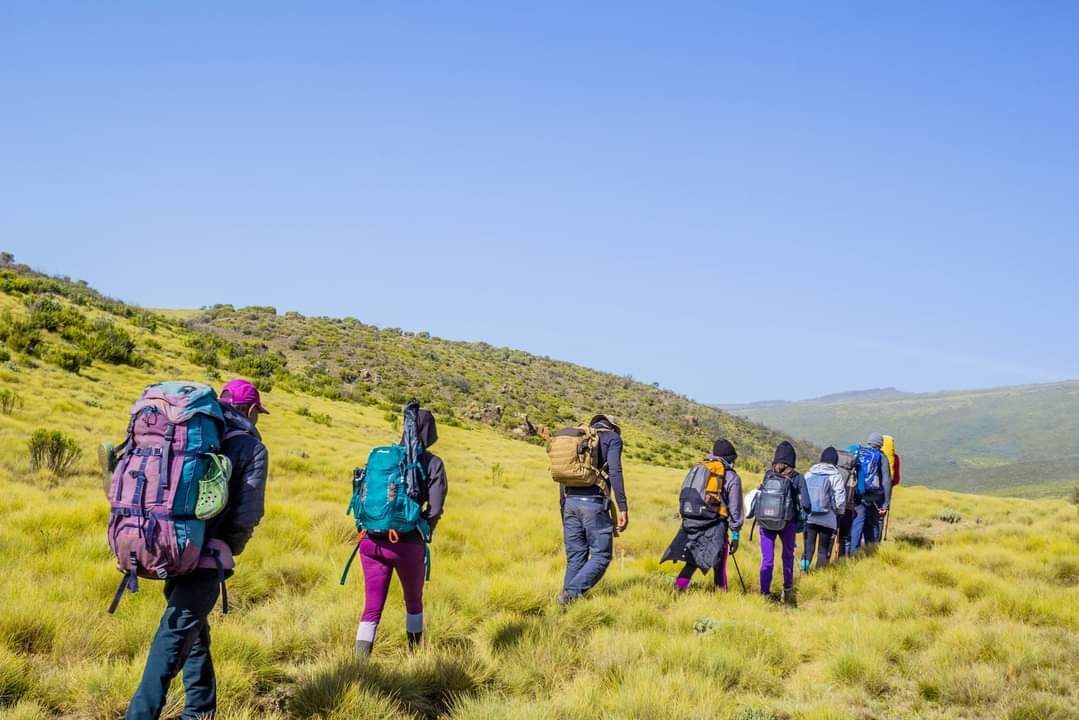
The mountain’s lower slopes are covered in dense forest, giving way to bamboo zones, giant heather, and surreal afro-alpine vegetation. Higher up, the landscape transforms into rocky peaks and glaciers, offering breathtaking views and unforgettable sunrise experiences above the clouds.
Why visiting Mount Kenya
1. Africa’s Second Highest Peak
Climb or trek one of Africa’s most iconic mountains, second only to Mount Kilimanjaro.
2. Diverse Ecosystems
Experience multiple climate zones—from rainforest to alpine desert—all in one journey.
3. Scenic Trekking Routes
Routes like Sirimon and Chogoria offer dramatic valleys, lakes, and panoramic views.
4. Point Lenana Summit
Reach Point Lenana without technical climbing, making it accessible for adventurous hikers.
5. Unique Afro-Alpine Vegetation
See rare plants like giant lobelias and groundsels found only in high-altitude East Africa.
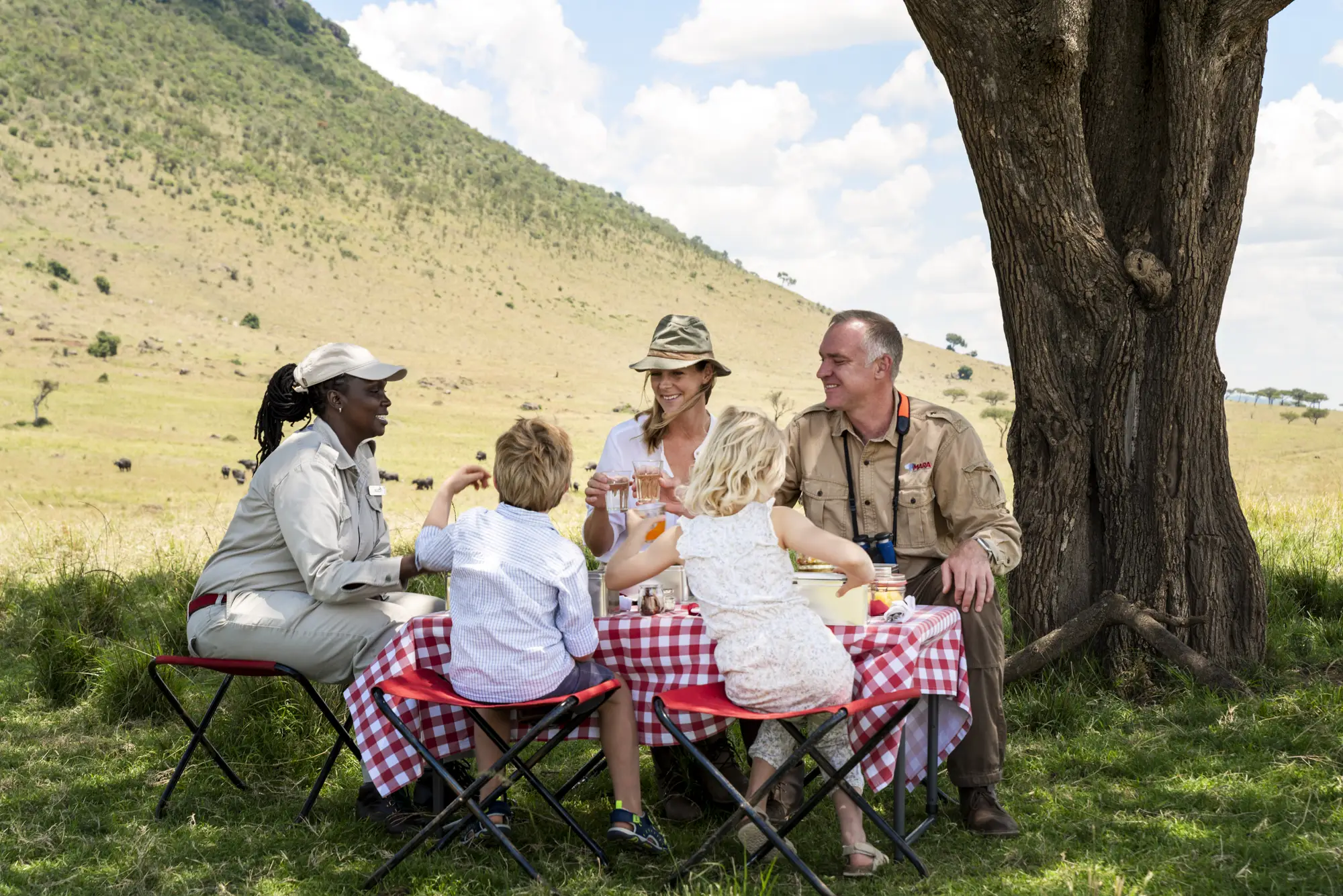
6. Wildlife Encounters
Spot elephants, buffaloes, colobus monkeys, and various bird species in the lower forests.
7. Fewer Crowds
Less crowded than Kilimanjaro, offering a more peaceful and authentic trekking experience.
8. Stunning Glacial Landscapes
Witness glaciers, tarn lakes, and rugged volcanic formations.
9. Cultural Experience
Interact with local communities around the mountain, including traditional Kikuyu culture.
10. Ideal for Adventure Seekers
Perfect for hiking, climbing, photography, and nature exploration.
Best Time to Go
- January – March & June – October: Best for trekking with clear skies and stable weather.
- April – May & November: Rainy seasons; trails can be slippery but landscapes are lush and beautiful.
Mount Kenya
Packages for this Destination