Ngorongoro Crater
About Ngorongoro Crater
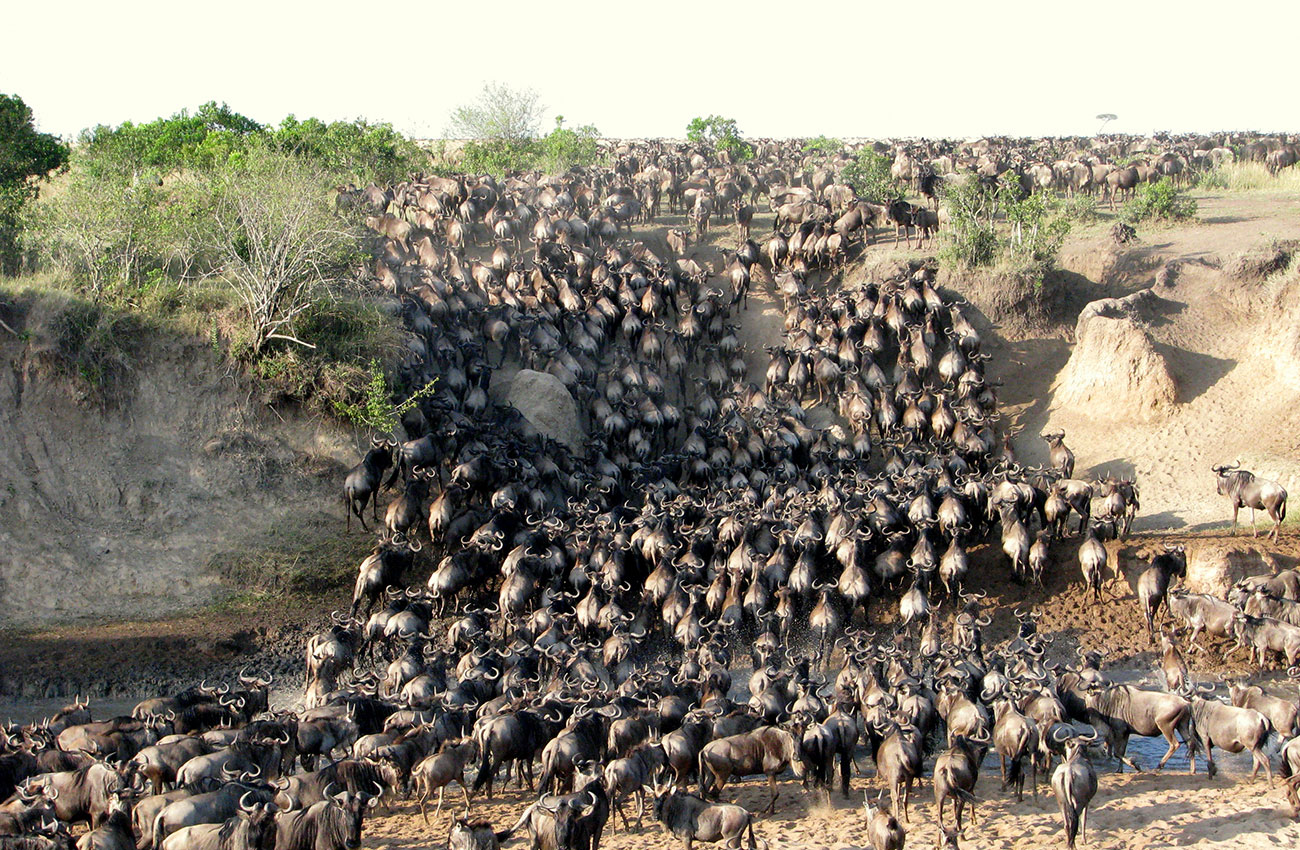
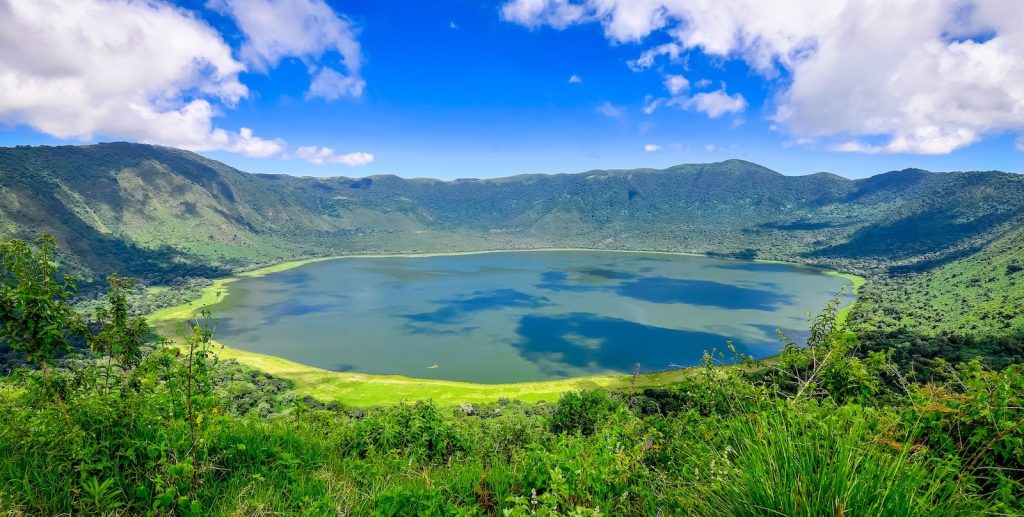
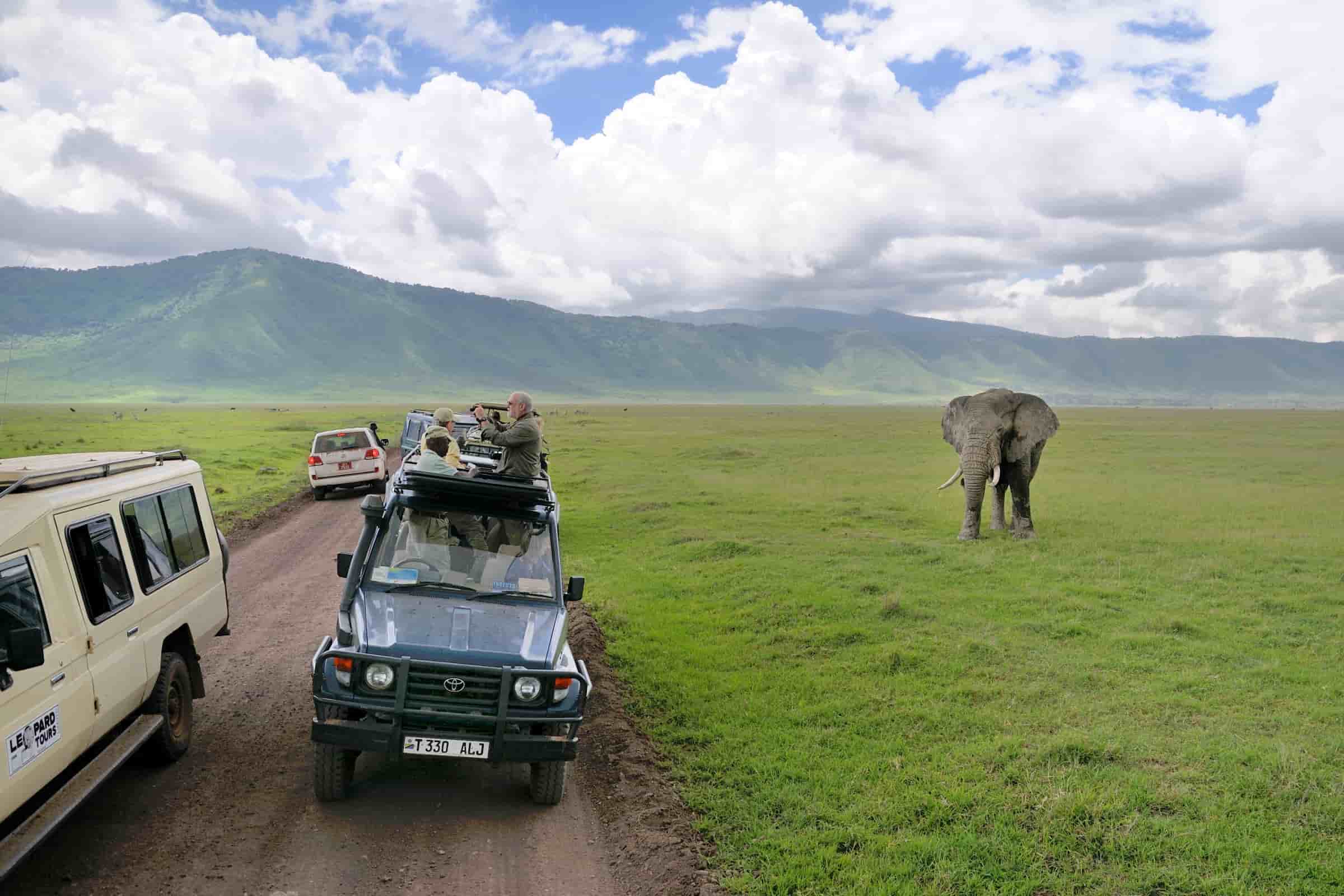
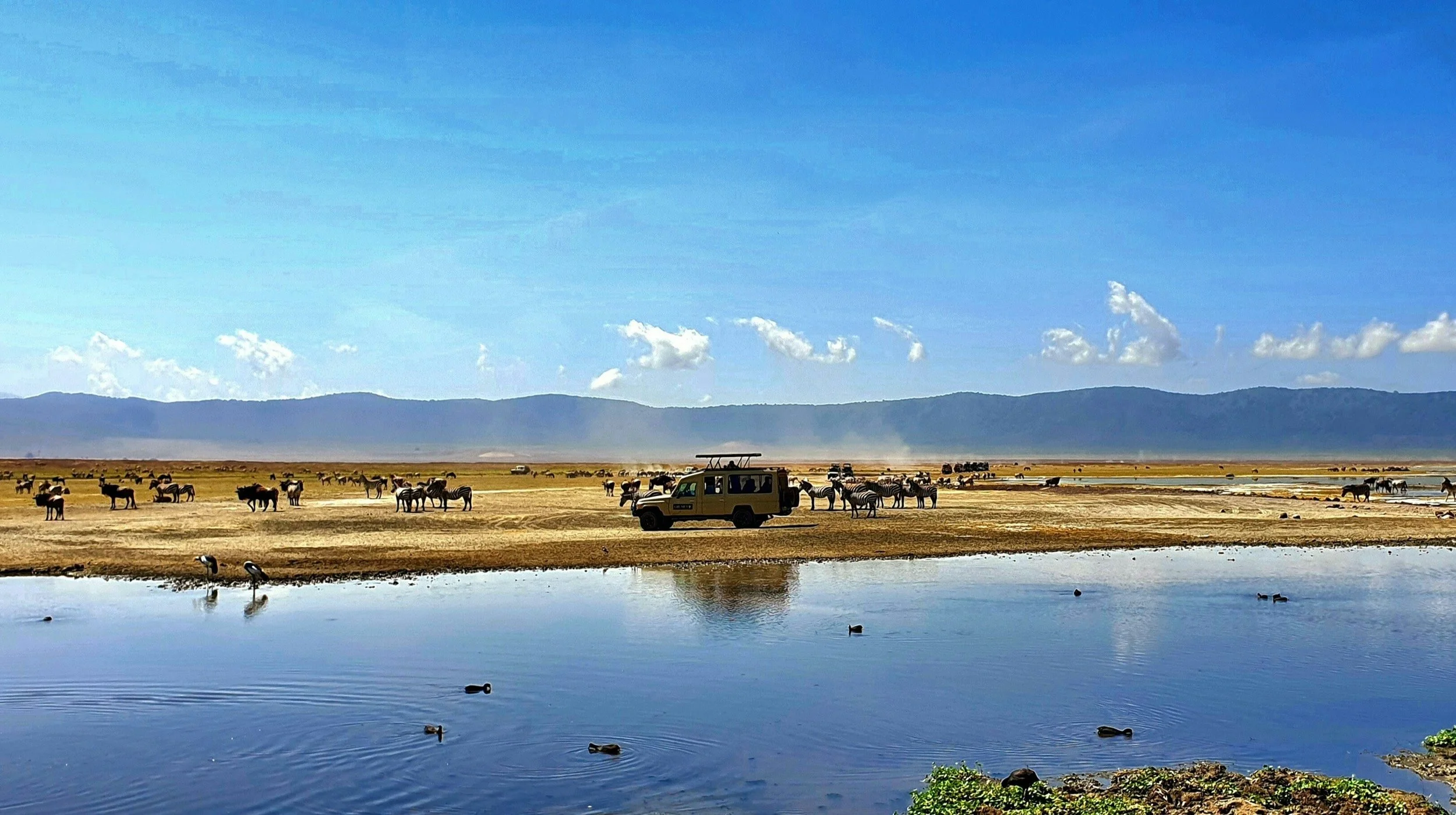
Tanzania is home to the Ngorongoro Crater, one of Africa’s most breathtaking natural wonders and a UNESCO World Heritage Site. Formed millions of years ago when a massive volcano collapsed, it is the world’s largest intact volcanic caldera, spanning about 260 square kilometers with walls rising over 600 meters high. This natural enclosure creates a unique ecosystem that supports an incredible concentration of wildlife.
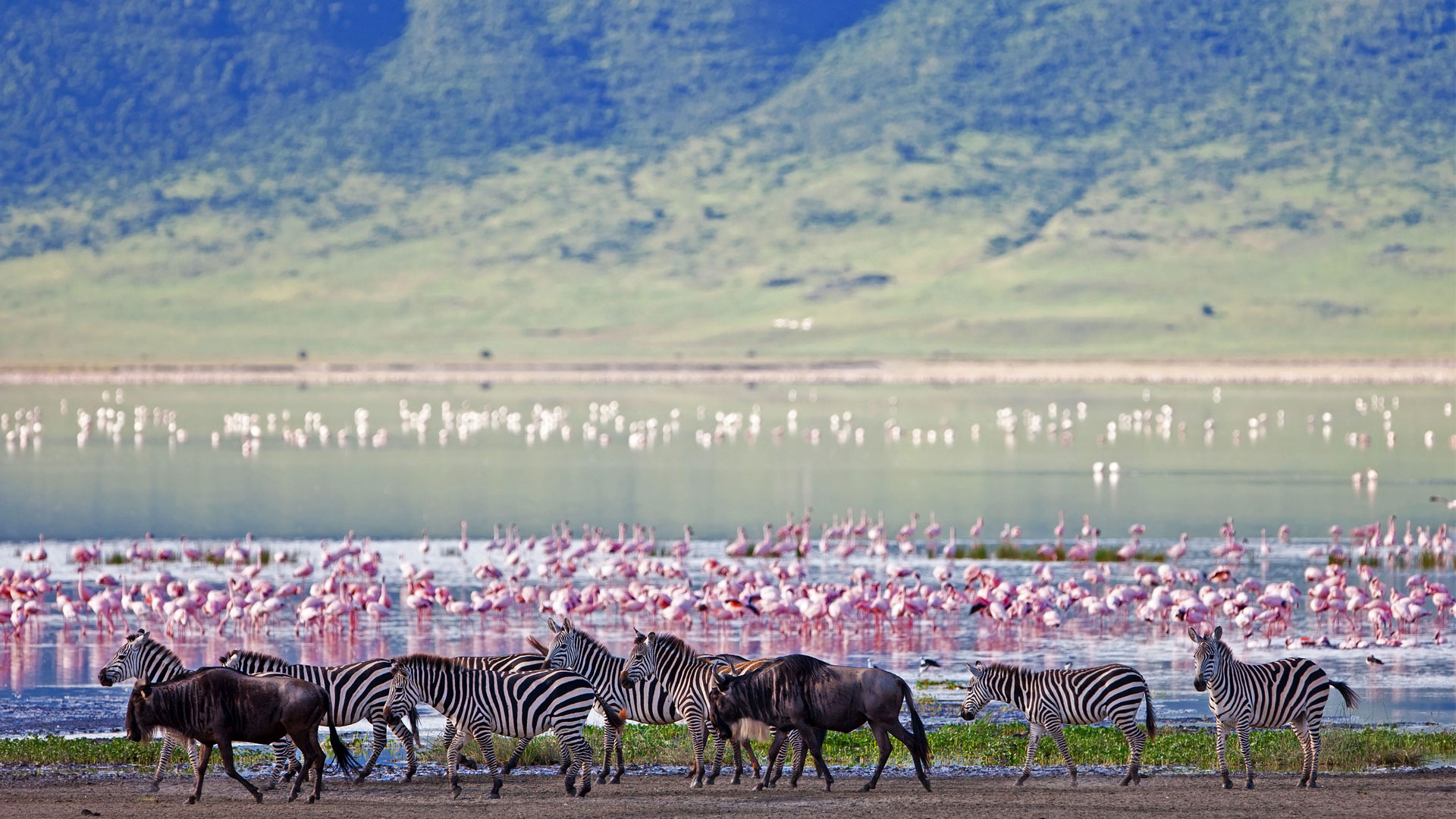
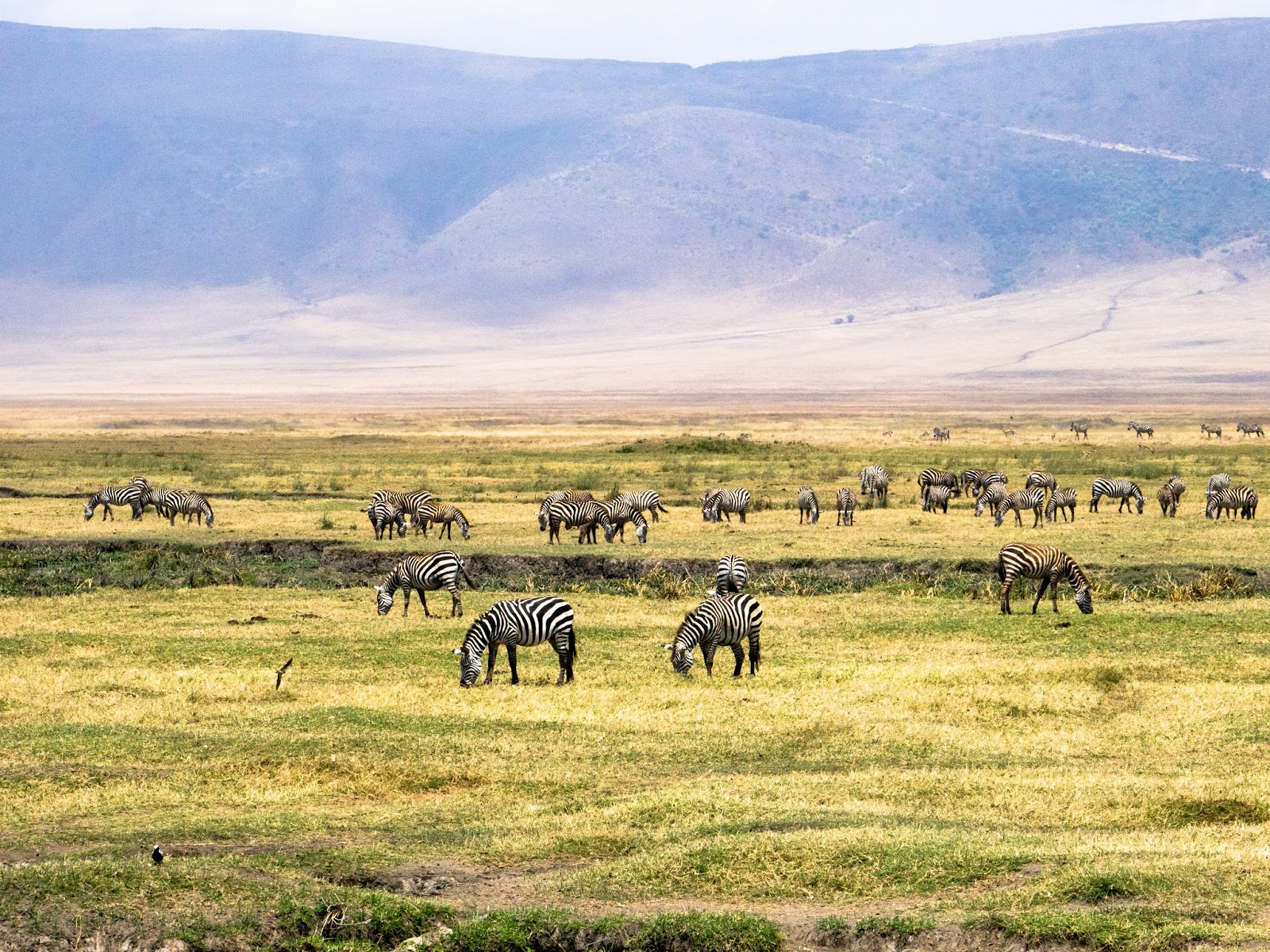
Located within the Ngorongoro Conservation Area and about 180 km (112 miles) from Arusha, the crater is often considered one of the best places in Africa to see the Big Five in a single day. Its fertile floor consists of grasslands, swamps, forests, and a soda lake, attracting animals such as lions, elephants, buffaloes, zebras, wildebeest, and the endangered black rhino. The presence of permanent water sources ensures year-round wildlife viewing, making it a key highlight of Tanzania’s northern safari circuit alongside Serengeti National Park.
Why visiting Ngorongoro Crater
1. World’s Largest Intact Caldera
A unique geological wonder offering a self-contained wildlife paradise.
2. High Wildlife Density
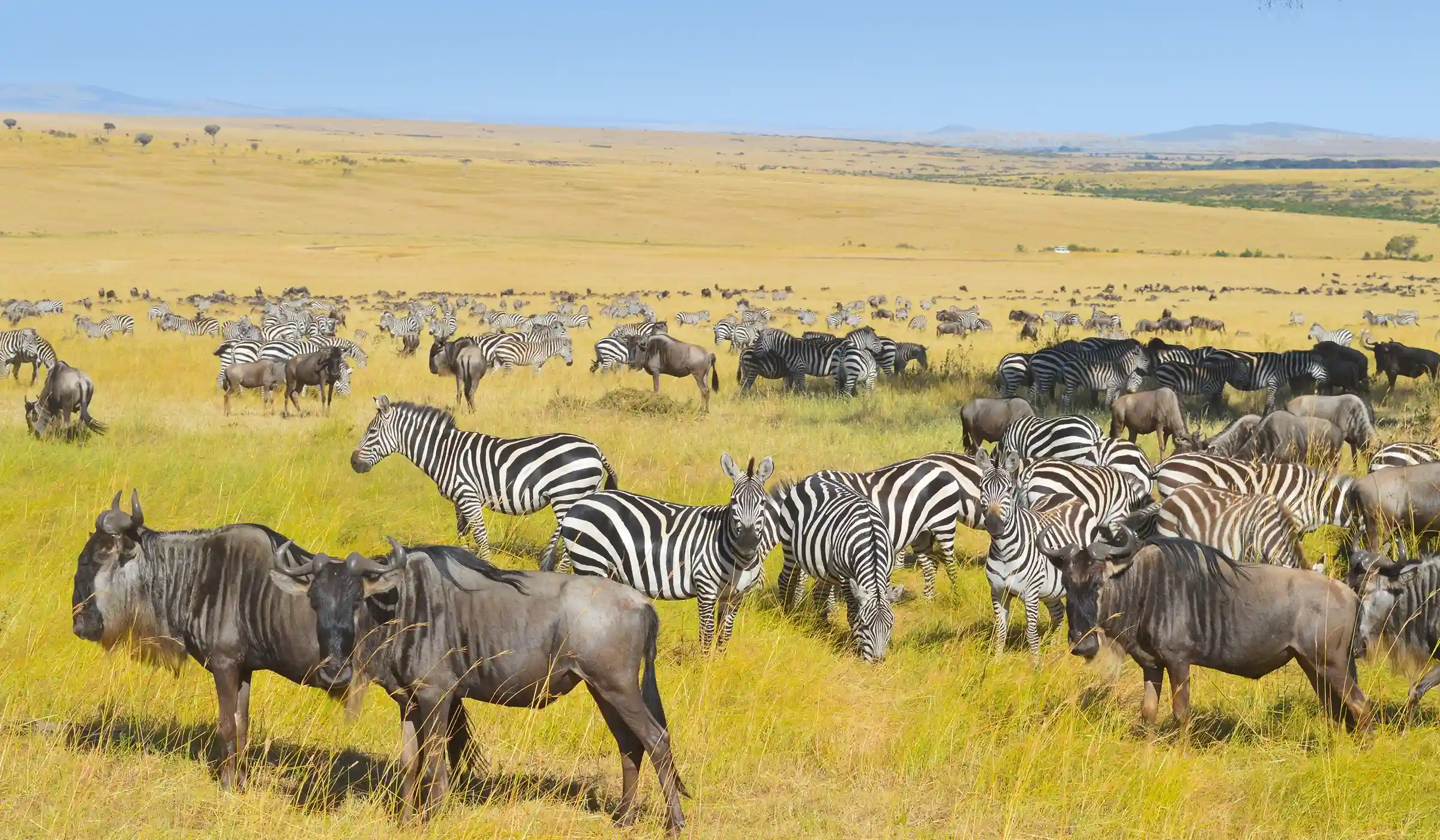
One of the best places in Africa to see large numbers of animals in a relatively small area.
3. Big Five in One Day
Excellent chances of spotting lion, elephant, buffalo, leopard, and the rare black rhino.
4. Stunning Landscapes
A mix of open plains, forests, wetlands, and Lake Magadi creates dramatic scenery.
5. Year-Round Game Viewing
Permanent water sources support wildlife throughout the year.
6. Birdwatcher’s Paradise
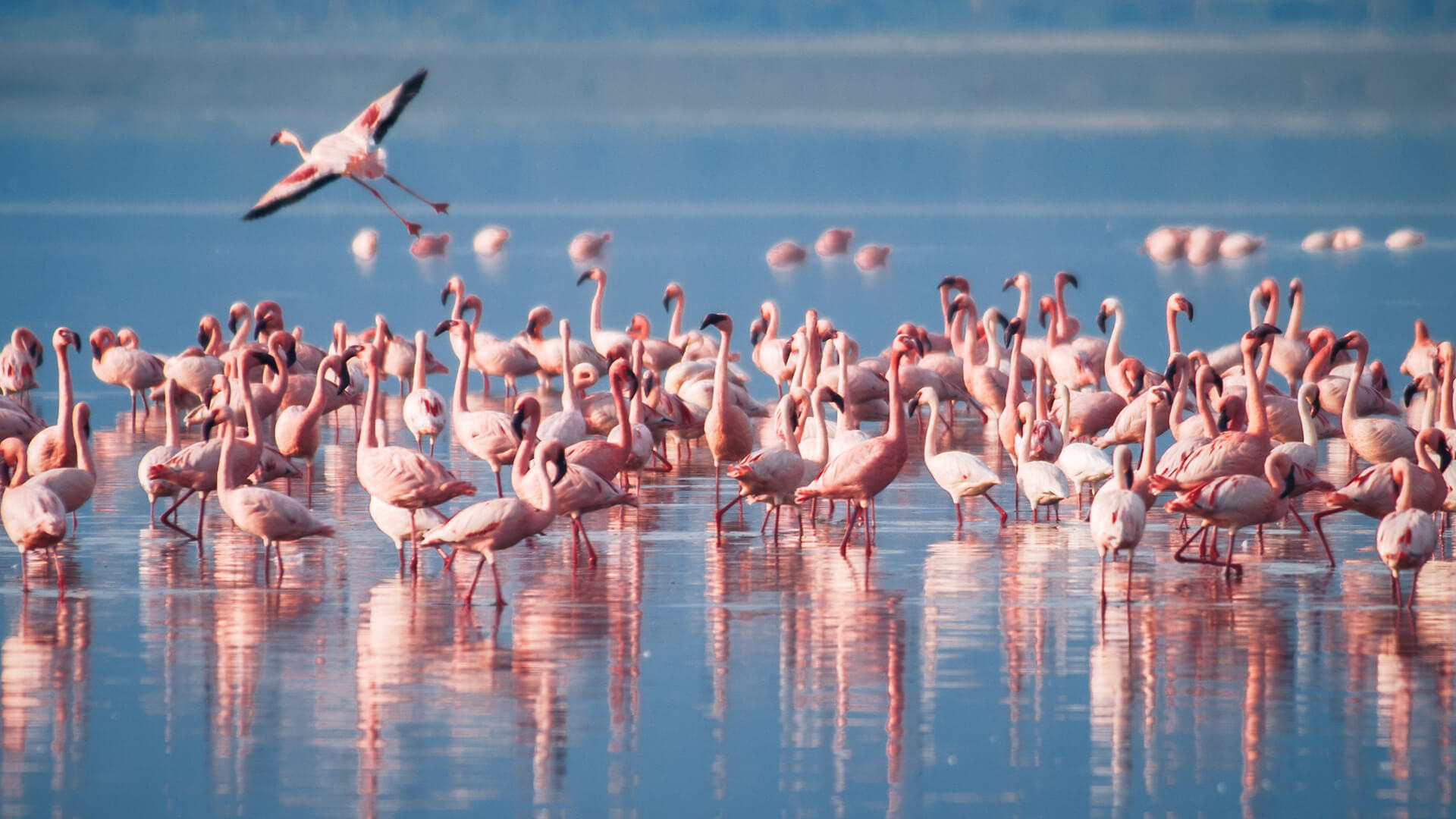
Home to flamingos, cranes, storks, and many other bird species.
7. Maasai Cultural Experience
Encounter the Maasai people who live and graze livestock within the conservation area.
8. Easy Access
Ideal for short safaris due to its proximity to Arusha and other parks.
9. Scenic Crater Rim Views
Panoramic viewpoints from the rim offer unforgettable photography moments.
10. Part of Northern Safari Circuit
Easily combined with Serengeti and Lake Manyara for a complete safari experience.
Best Time to Go
- June – October (Dry Season): Best for wildlife viewing as animals gather around water sources.
- November – May (Green Season): Lush landscapes, fewer tourists, and excellent birdwatching opportunities.
Ngorongoro Crater
Packages for this Destination
Tanzania Camping Safari Serengeti, Ngorongoro & Wildlife Adventure
Tanzania Wildlife Safari Ngorongoro Crater & Lake Manyara Experience
Kenya and Tanzania Wildlife Safari
Kenya and Tanzania Classic Wildlife Safari Adventure
East Africa Wildlife Safari Adventure mix Tanzania and Kenya