Serengeti National Park
About Serengeti National Park
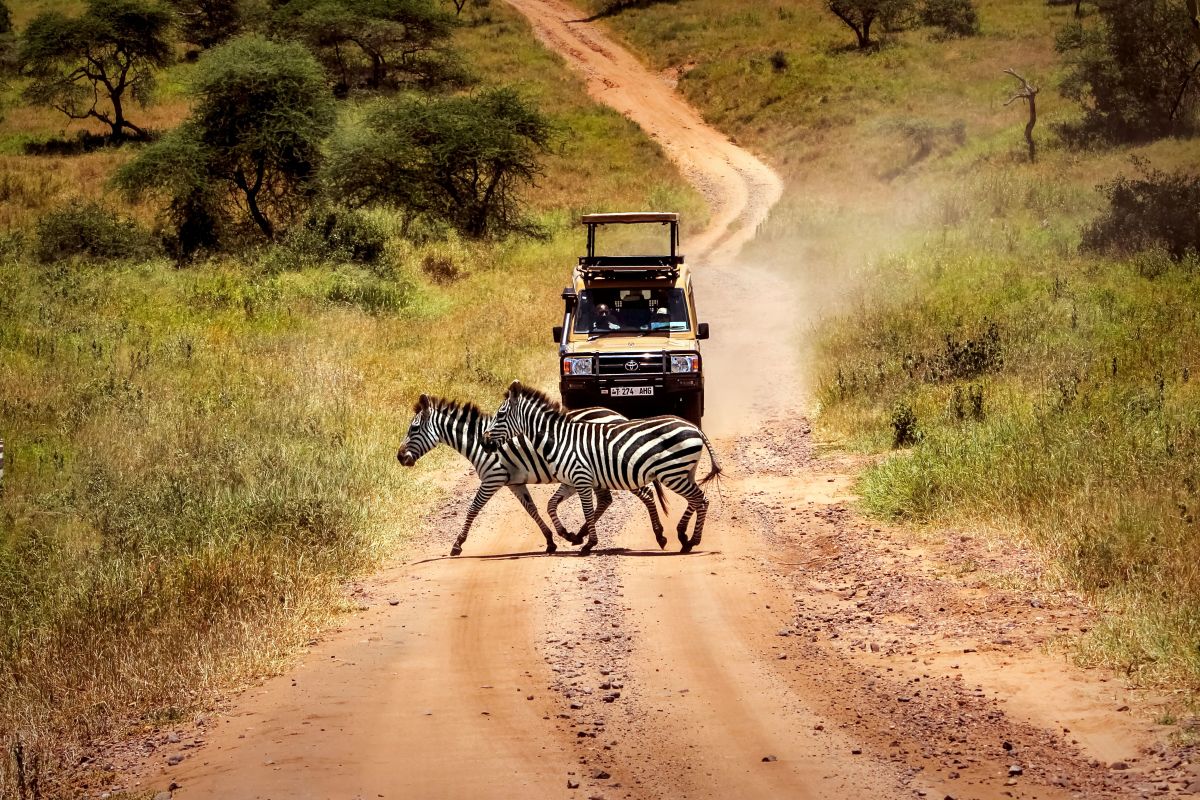
Tanzania is where we find the Serengeti National Park, a place known for having a lot of animals and experiencing the great wildebeest migration.
It lies at an altitude of about 1 214 to 1 828 m, rising inland from a low coastal belt to terraced farming country on the plateaux; it breaks down again to the narrow coastal plain that stretches from the foot of the mountains to the Indian Ocean.
The fact of the matter is that there are more big wild animals in the Serengeti than anywhere else on earth, and with around 2,500 Lions you are sure to see one or two! Did you know that some of these birds fly back to their original homes in Europe during winter time?
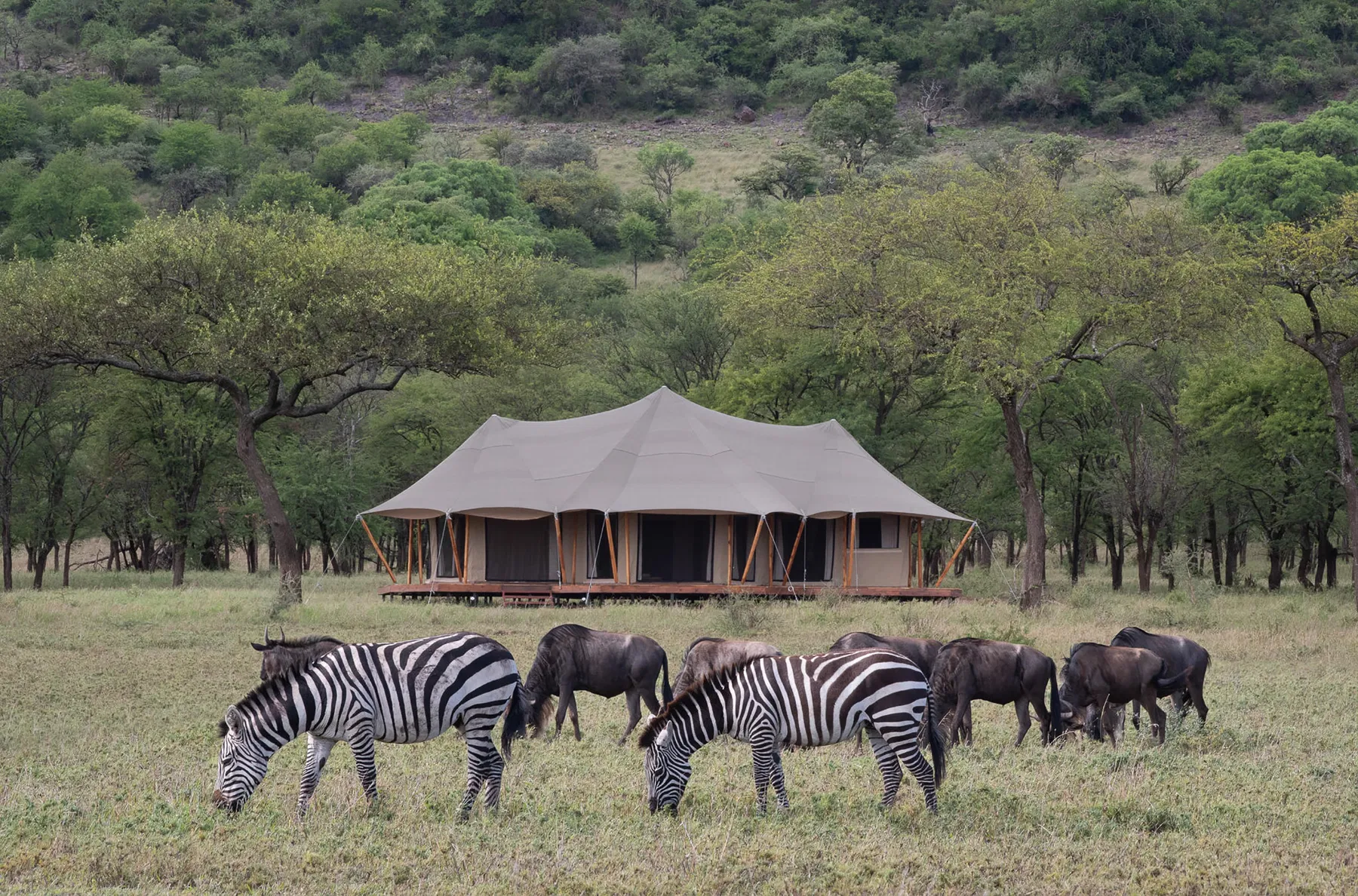
You can find all kinds of places to stay within the Serengeti Ecosystem.
The Serengeti is so near, just 335 km (208 miles) from Arusha, and yet it will be a very long drive because of the roads. On the way to driving into Serengeti National Park, we advise visitors to stop at such places. We would like to point out that if you are interested in visiting the Ngorongoro Crater on the way, it is best to get to the rim the afternoon before and then spend the whole next day in the Crater.
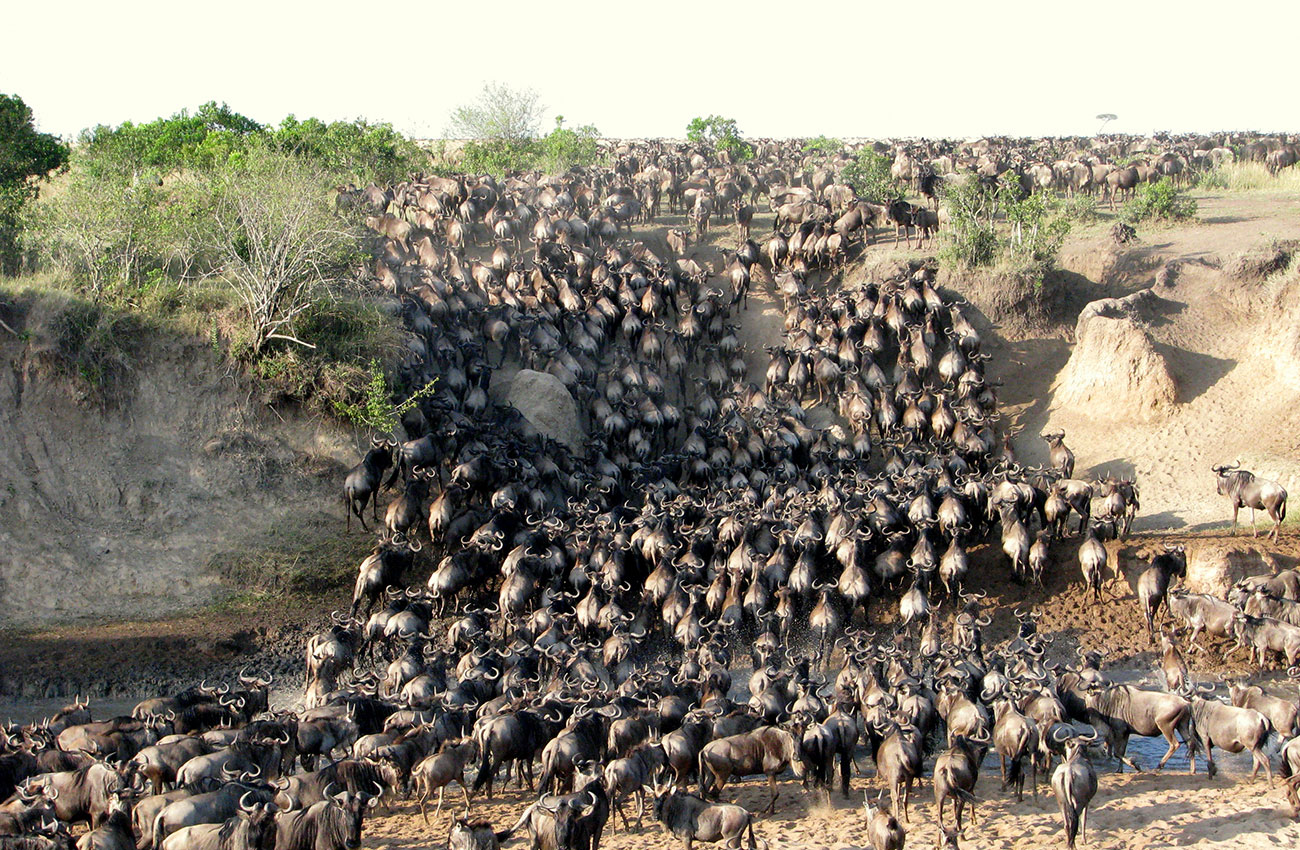
You should follow the Wildebeest migration from Serengeti National Park to Maasai Mara National Reserve around December till July when you will also see its prime prey educationists.
To fully experience the park, it is advisable to have a safari spanning three to four days. Those who love photography should take longer safaris so that they increase their chances of capturing amazing shots.
Why visiting Serengeti National Park
A visit to Serengeti National Park in Tanzania presents a rare opportunity as it is often said to be the best place for an African safari. Below are some reasons why it deserves a priority spot on your bucket list.
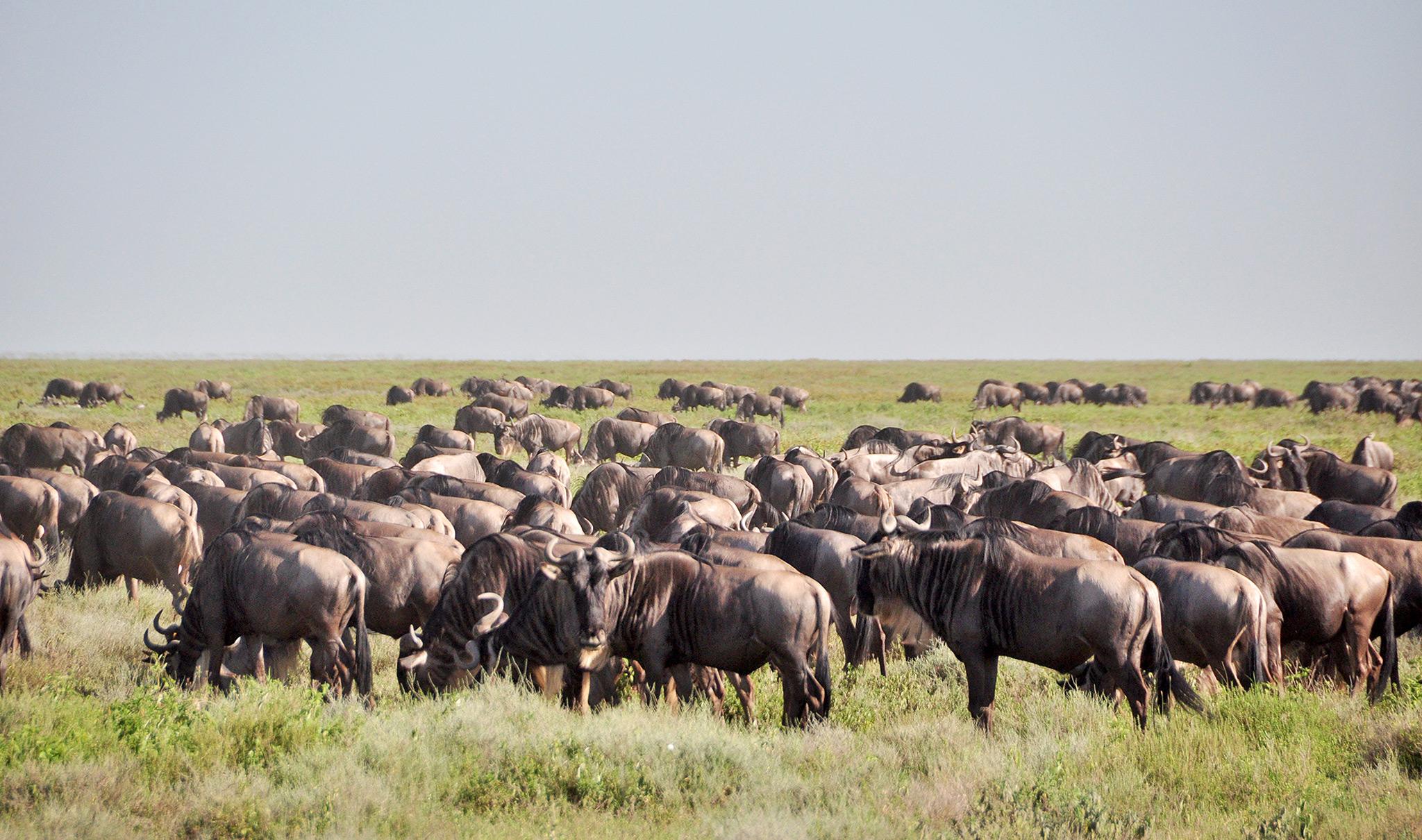
1. The Great Wildebeest Migration
Witness river crossings (most thrilling in the Mara River, July–October) where crocodiles lie in wait.
The Southern Serengeti calving season occurs between January and March and it is full of fun animals that are nevertheless very dangerous.
2. Unmatched Wildlife Density (Big Five & More)
In Africa, the Serengeti has unmatched densities of top predators such as lions, leopards, cheetahs, hyenas, etc.
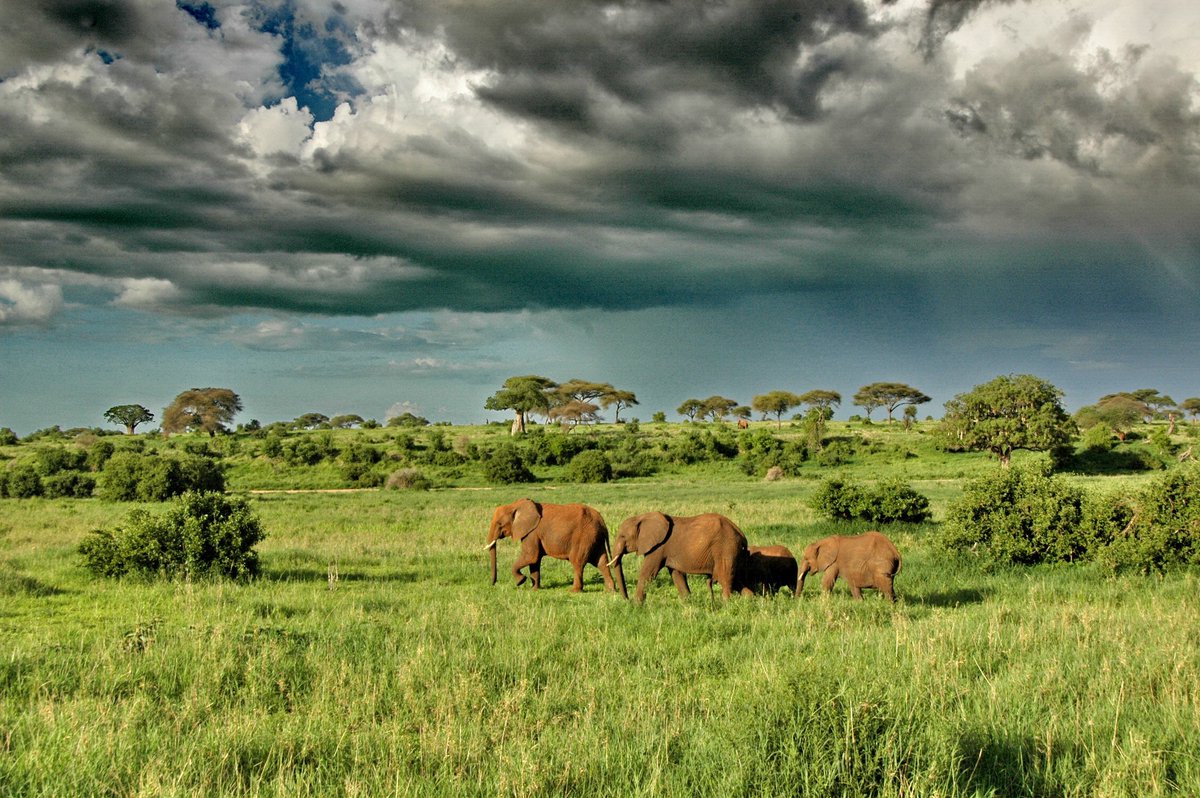
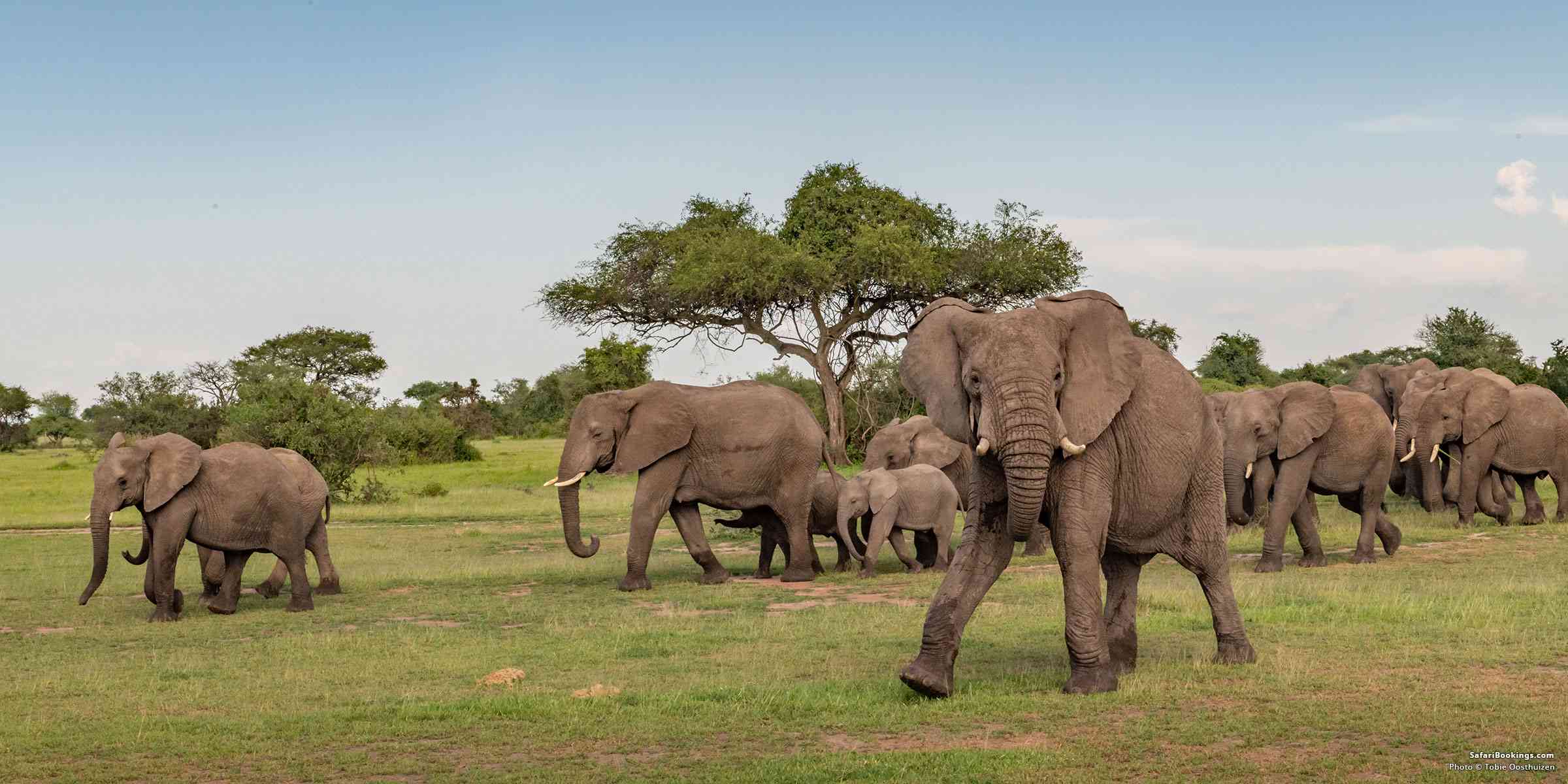
For the Big Five, which consists of lion, leopard, elephant, buffalo, and rhinoceros (although this last one is not often seen in many places), alone.
Gaze at giraffes, hippos, crocs, and over 500 avian species too!
3. Vast, Untamed Landscapes
It is covered with endless golden savannas, plains that have acacia trees scattered all over, rocky hills known as kopjes, and forests along the rivers.
The word “Serengeti” originates from Maasai language meaning “Endless Plains” which refers to its name.
4. Hot Air Balloon Safaris
Experience one of the best ways to view the Serengeti as you silently fly over the grassland during sunrise then have a champagne breakfast there.
5. Authentic Maasai Culture
Tourists can visit Maasai villages located near Ngorongoro Conservation area where they will be able to see their culture like traditional dances, local food among others.
6. Year-Round Wildlife Viewing
The Serengeti is good for game drives at any time because there are no significant drops in animal numbers as you move from one season to another like other parks:
Dec–Mar: Southern Serengeti (calving season).
Apr–Jun: Western Corridor (migration towards Grumeti River).
Jul–Oct: Northern Serengeti (Mara River crossings).
Nov: Transit back to the south.
7. Luxury Tented Camps & Lodges
Spend your nights in 5-star movable camps following the herds or opulent lodges that extend over the plain and having infinity pools.
8. Fewer Crowds Than the Maasai Mara (in Some Areas)
Game drives have less people especially in remoter regions since Serengeti is larger than Maasai Mara National Park in Kenya.
9. Ngorongoro Crater Combo
Many safaris combine the Serengeti with the Ngorongoro Crater (a UNESCO site with the densest wildlife concentration in Africa).
10. Conservation & Pristine Wilderness
As a UNESCO World Heritage Site, the Serengeti is still considered one of the purest natural environments globally.
Best time to go
- June–October: Dry season (for migration & general wildlife, it’s the prime time).
- January–March: (Calving season, beautiful sceneries, less tourists).
Serengeti National Park
Packages for this Destination