Volcanoes National Park
About Volcanoes National Park
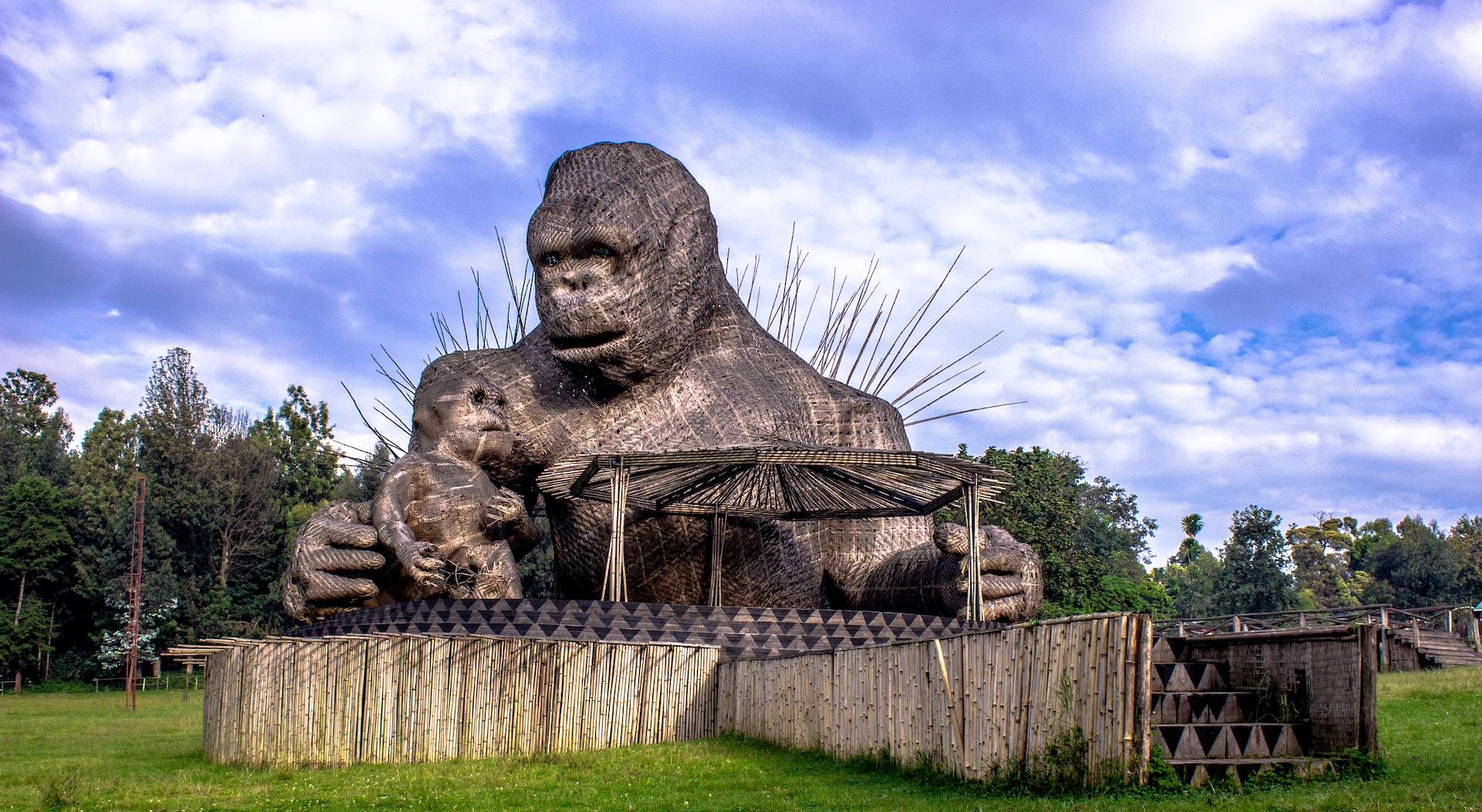
Rwanda is home to Volcanoes National Park, one of Africa’s most iconic wildlife destinations, famous for its endangered mountain gorillas and dramatic volcanic landscapes. Located in the northwestern part of the country near Musanze, the park forms part of the greater Virunga Conservation Area, which spans Rwanda, Uganda, and the Democratic Republic of Congo.
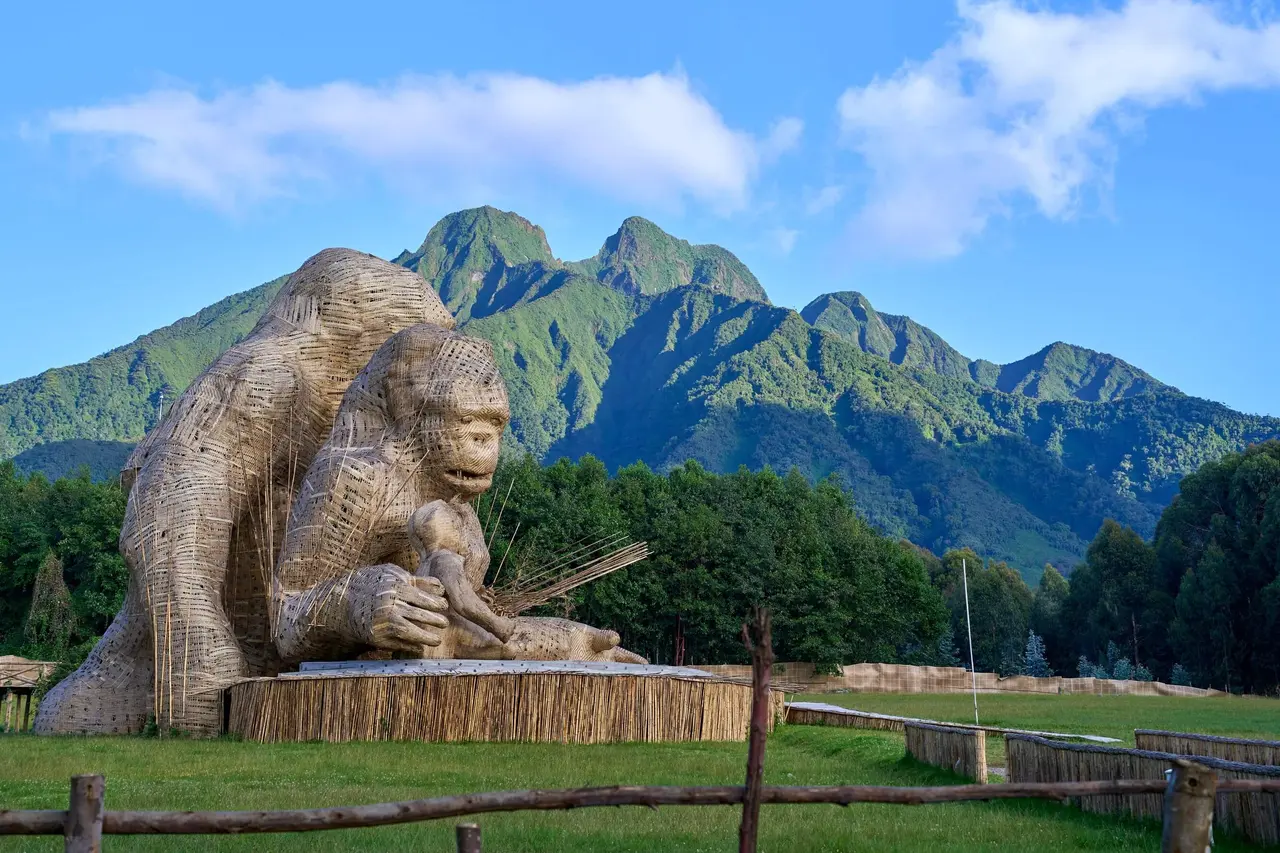
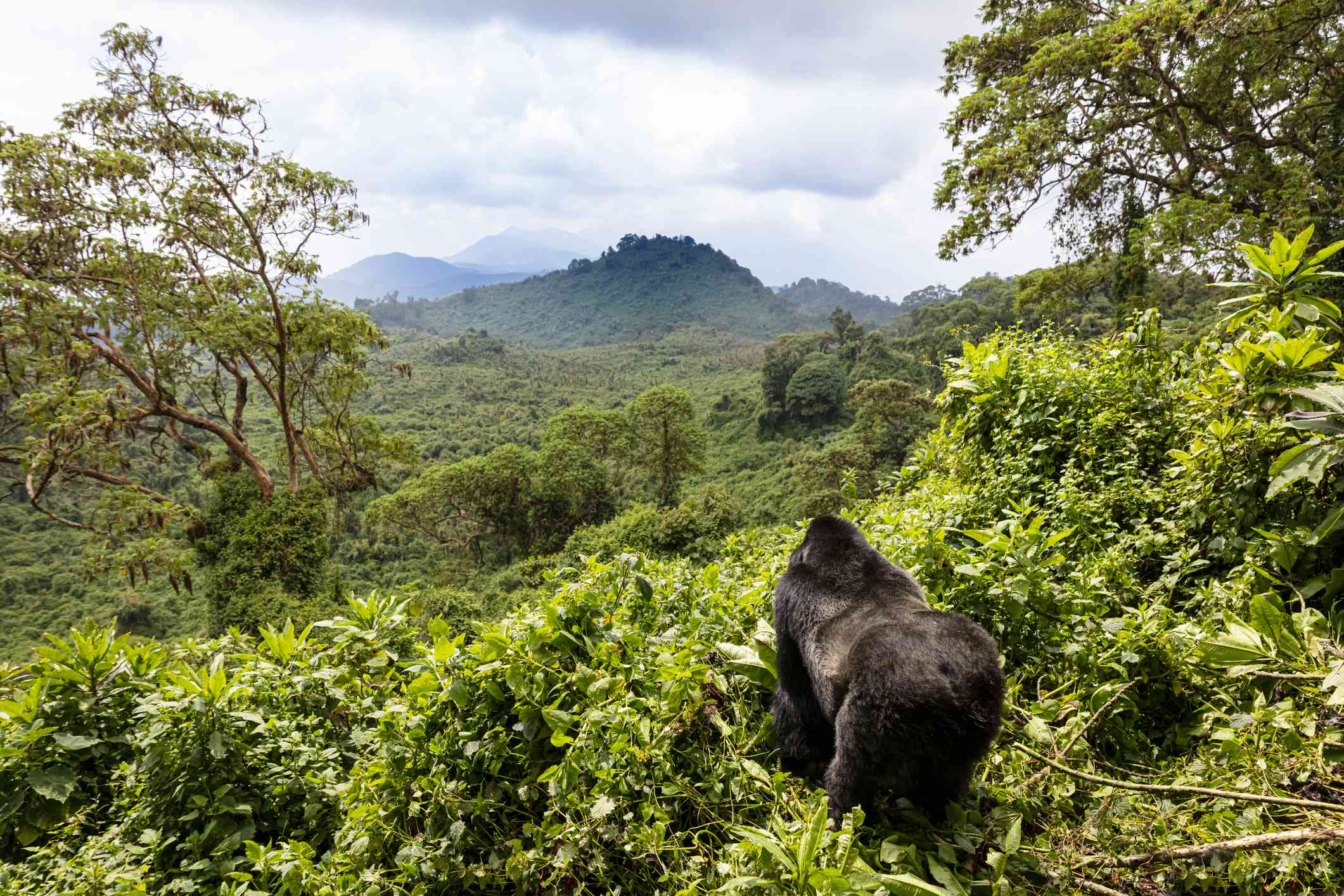
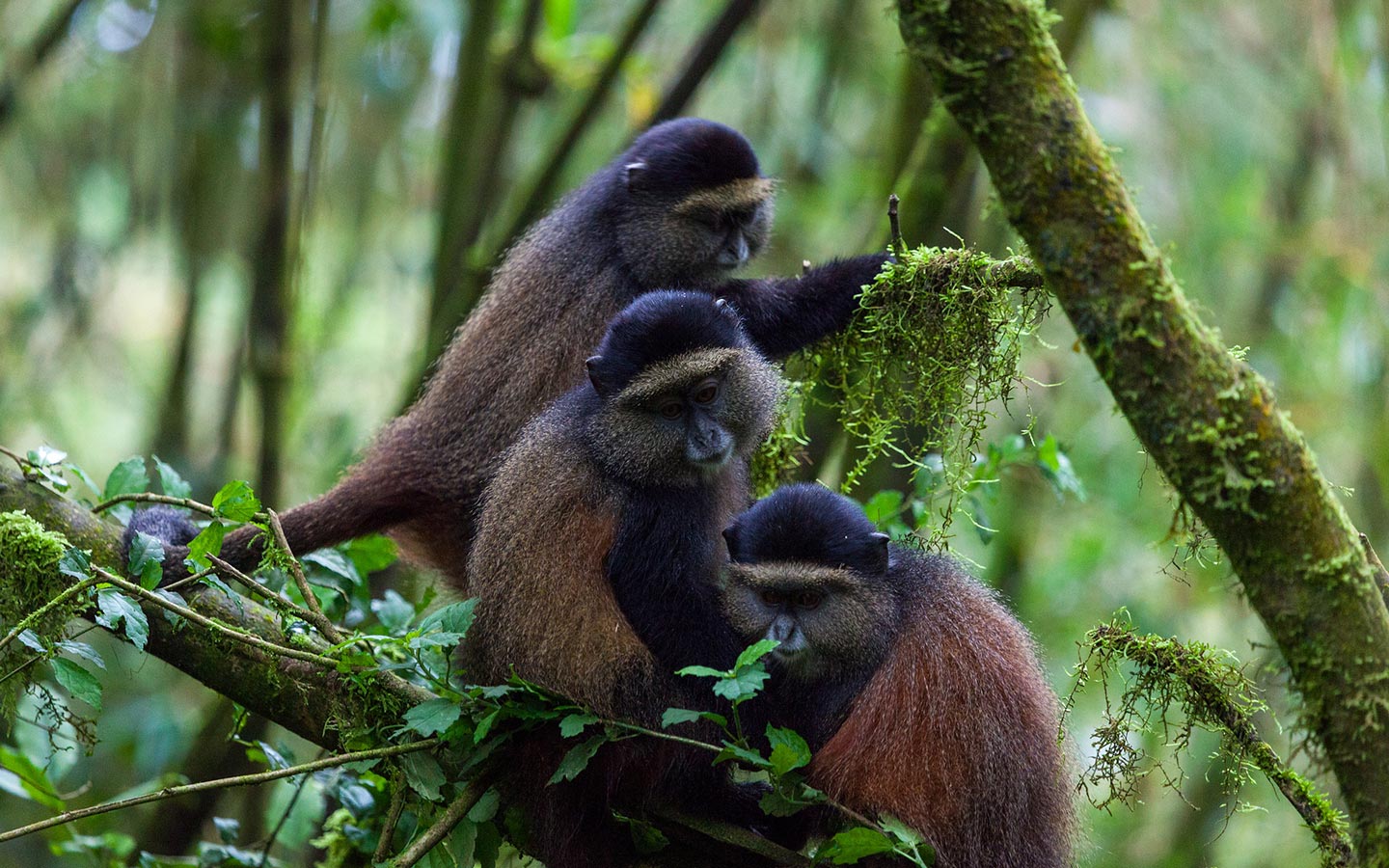
Covering approximately 160 square kilometers, the park is dominated by a chain of dormant volcanoes within the Virunga Mountains, including Mount Karisimbi, Mount Bisoke, and Mount Sabyinyo. Its dense montane forests, bamboo zones, and mist-covered slopes provide a perfect habitat for mountain gorillas, golden monkeys, and a variety of bird species. Volcanoes National Park gained global recognition through the work of Dian Fossey, whose conservation efforts helped protect gorillas from extinction.
The park lies about 100 km (62 miles) from Kigali, making it easily accessible for short yet unforgettable wildlife experiences.
Why visiting Volcanoes National Park
1. Gorilla Trekking Experience
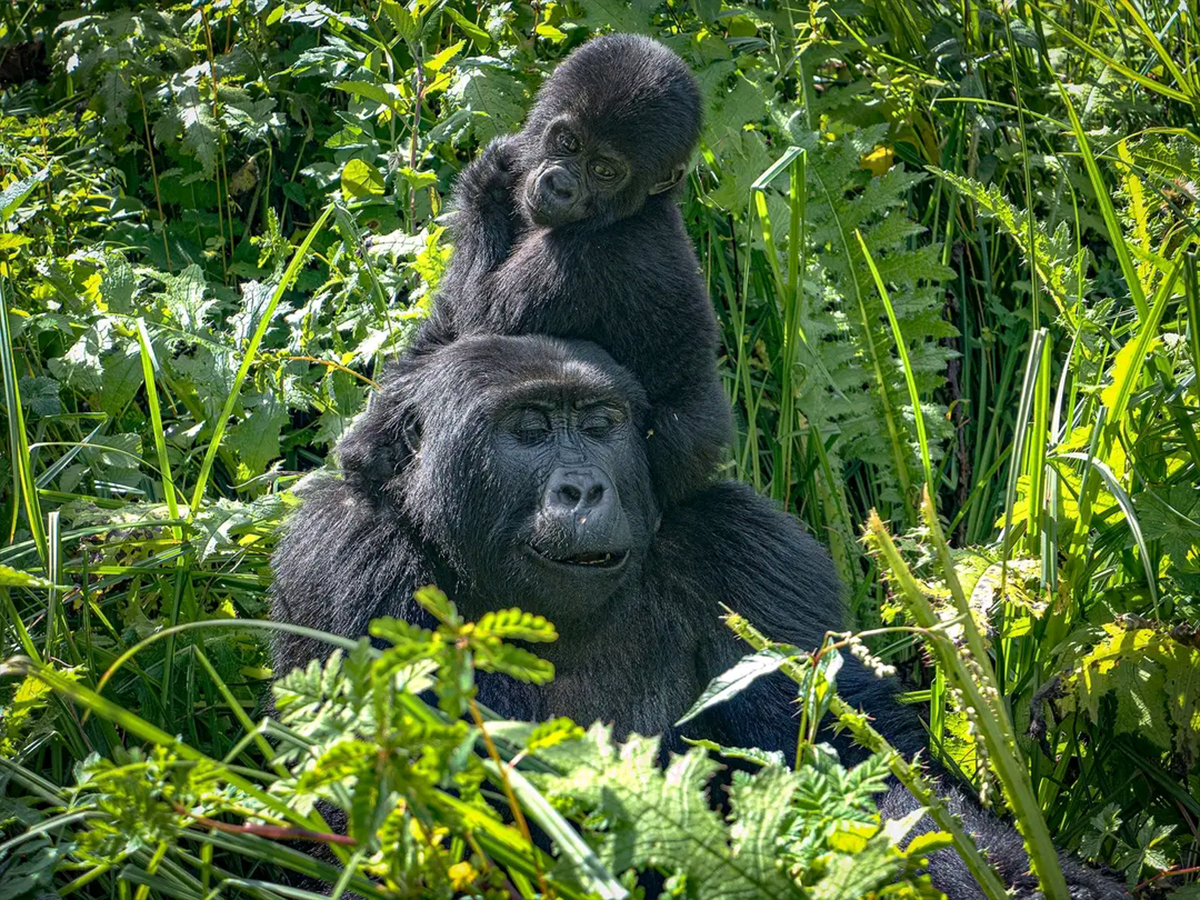
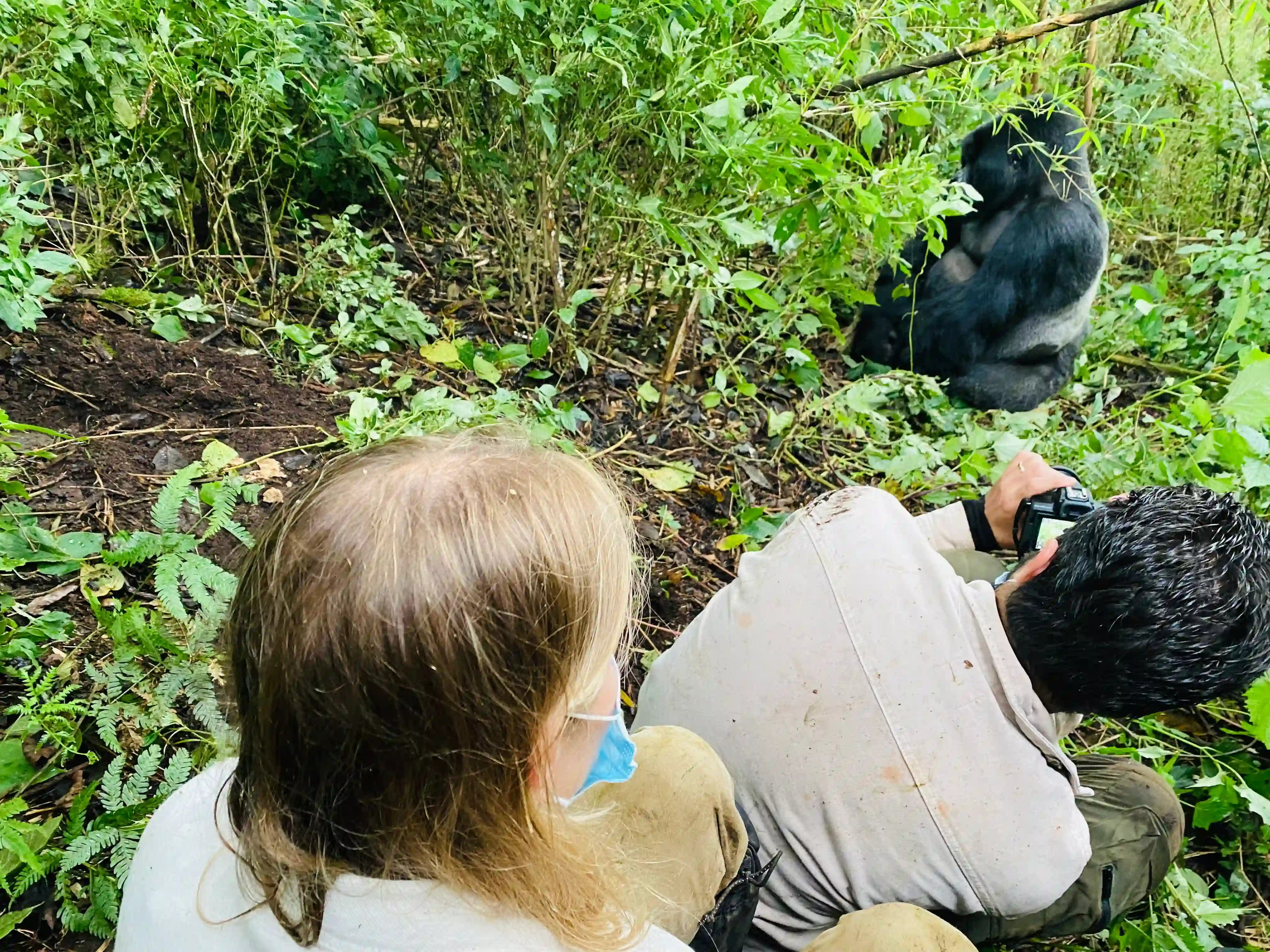
Encounter endangered mountain gorillas in their natural habitat—one of the most powerful wildlife experiences in the world.
2. Golden Monkey Tracking
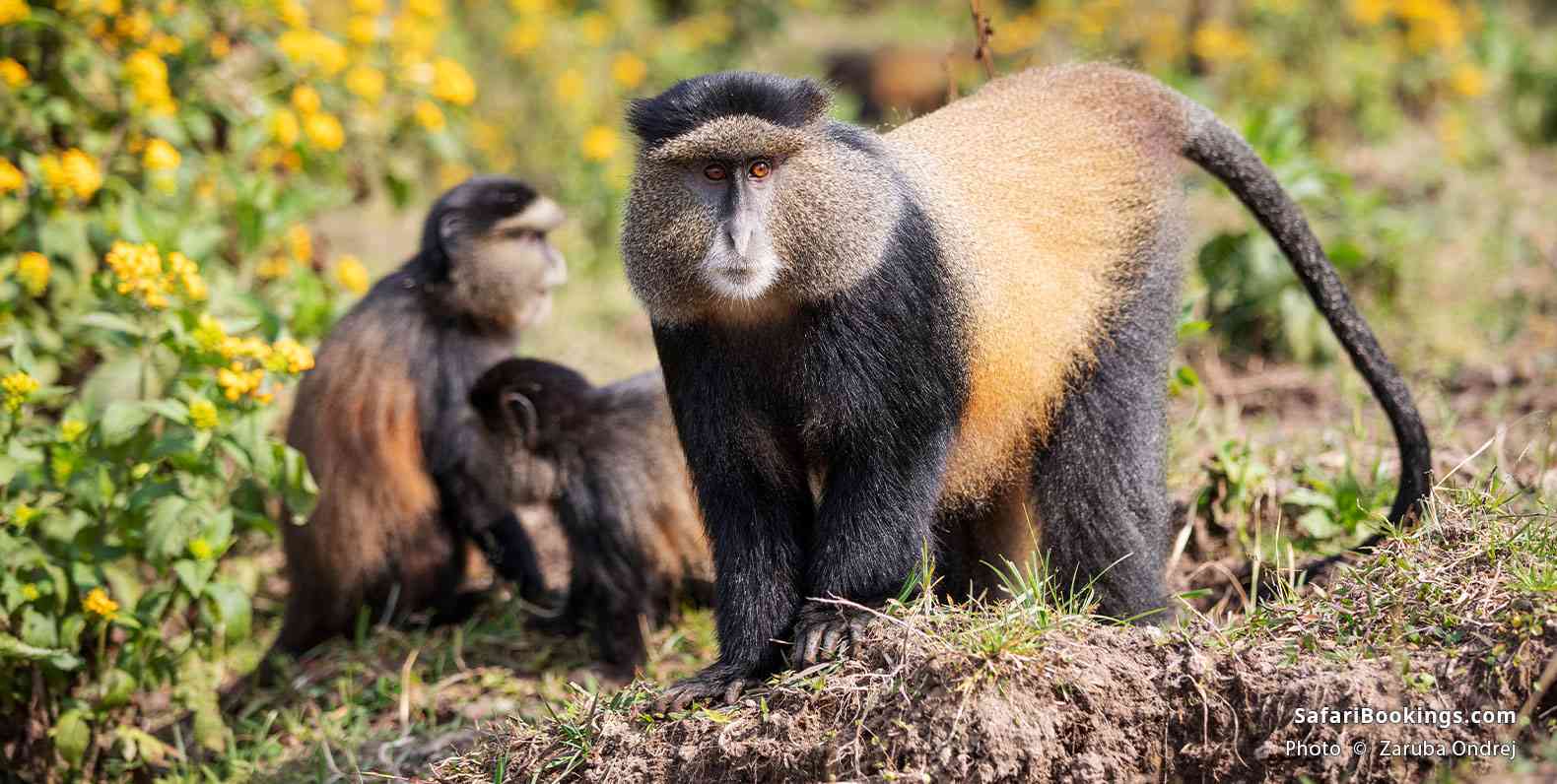
Track playful and rare golden monkeys in the bamboo forests.
3. Spectacular Volcanic Landscapes
Explore the scenic Virunga Mountains with misty peaks and lush vegetation.
4. Dian Fossey Legacy
Visit the research center and learn about the conservation work that saved gorillas.
5. Rich Biodiversity
Home to diverse wildlife including forest elephants, buffaloes, and over 200 bird species.
6. Volcano Hiking Adventures
Climb peaks like Mount Bisoke and Mount Karisimbi for breathtaking views.
7. Cultural Experiences
Engage with local communities and learn about traditional Rwandan culture.
8. Close Proximity to Kigali
Easy access makes it ideal for short safaris or add-on experiences.
9. Unique Forest Ecosystem
Experience dense rainforests, bamboo zones, and afro-alpine habitats.
10. Conservation Success Story
A leading example of wildlife conservation and eco-tourism in Africa.
Best Time to Go
- June – September & December – February: Best for trekking with drier trails and clearer views.
- March – May & October – November: Rainy seasons; more challenging hikes but lush scenery and fewer visitors.
Volcanoes National Park
Packages for this Destination
Ultimate Apes and Wildlife Rwanda Uganda Safari