Bwindi Impenetrable National
About Bwindi Impenetrable National
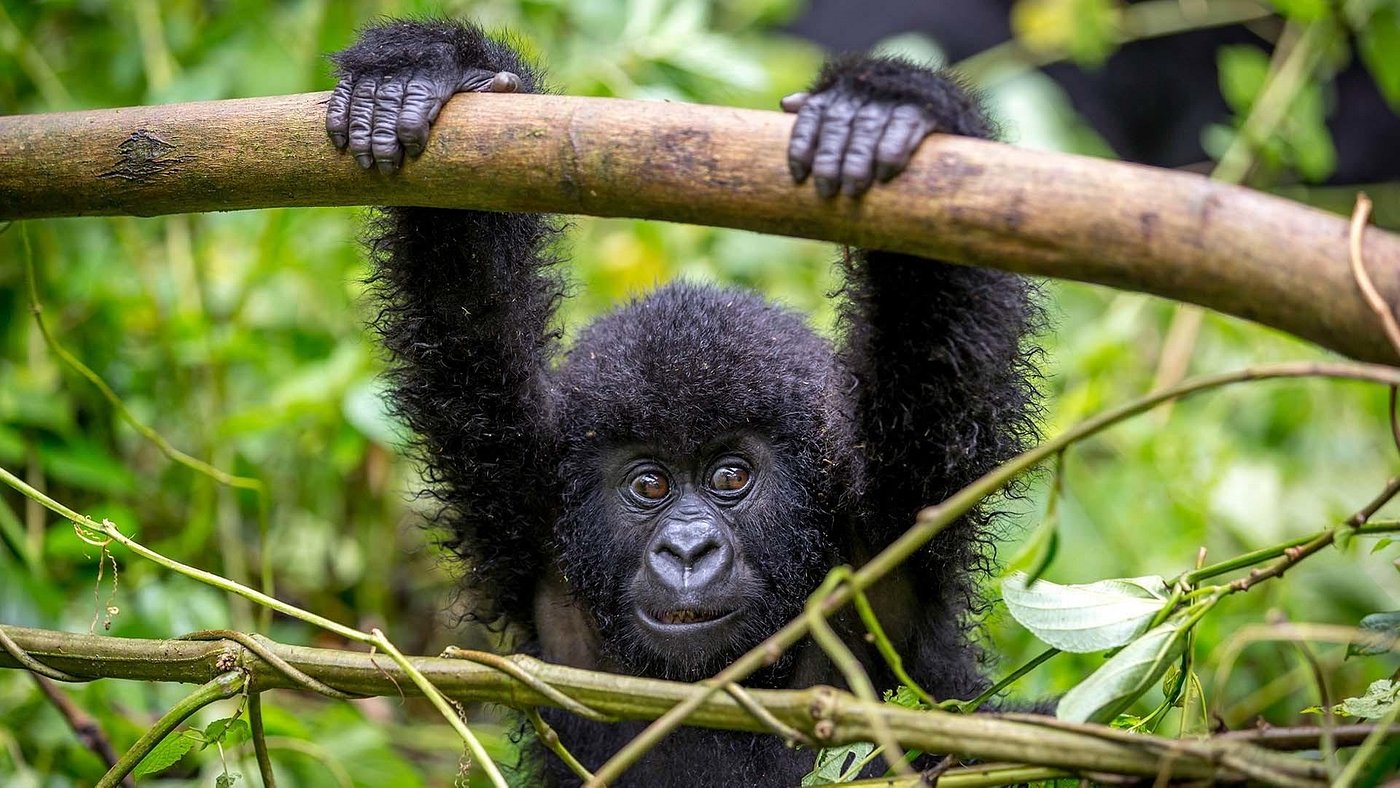
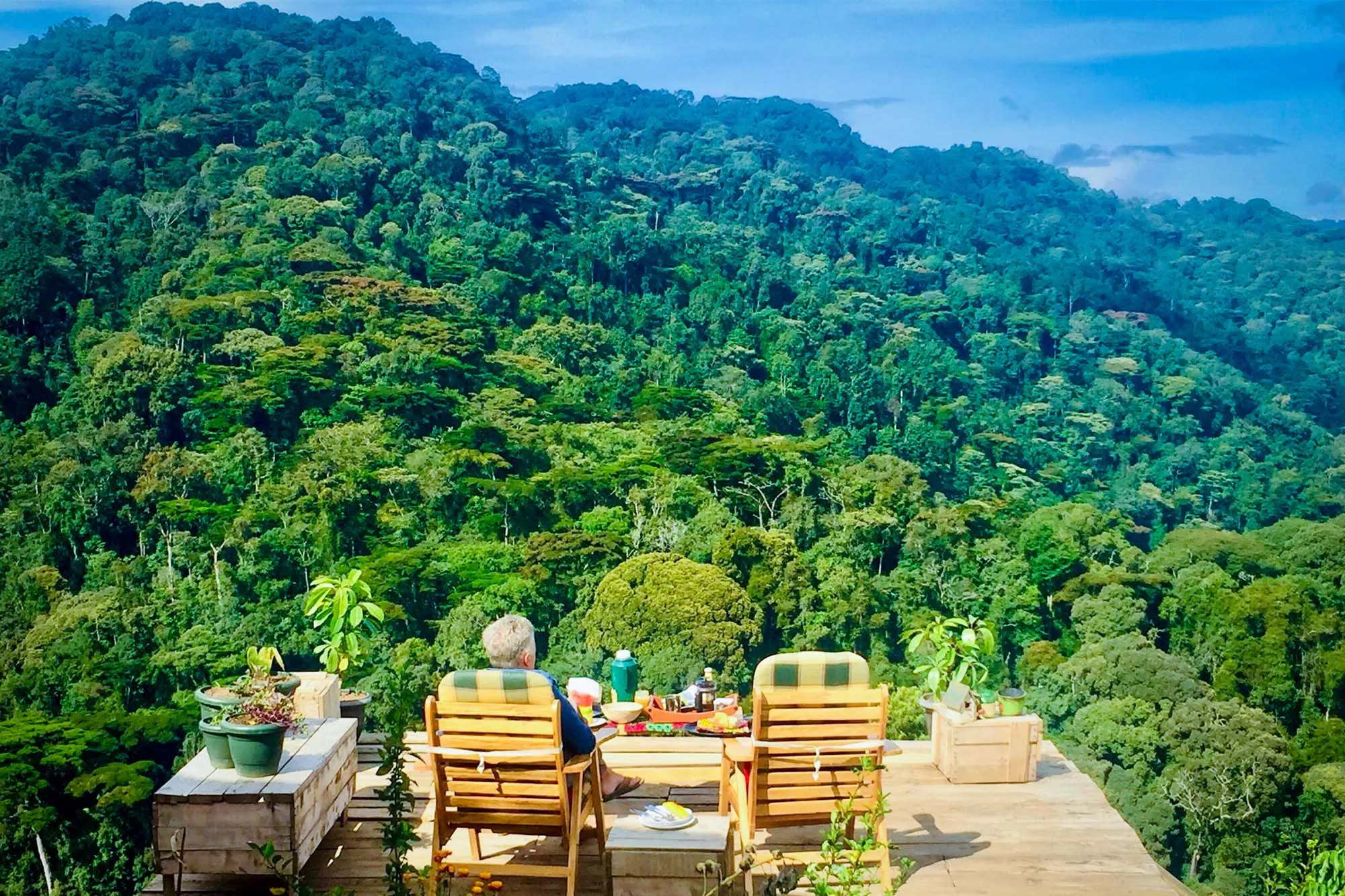
Uganda is home to Bwindi Impenetrable National Park, one of Africa’s most extraordinary rainforest destinations, renowned for its endangered mountain gorillas. Located in southwestern Uganda along the edge of the Great Rift Valley, the park covers about 331 square kilometers of dense, ancient forest one of the oldest and most biologically diverse ecosystems on the continent.
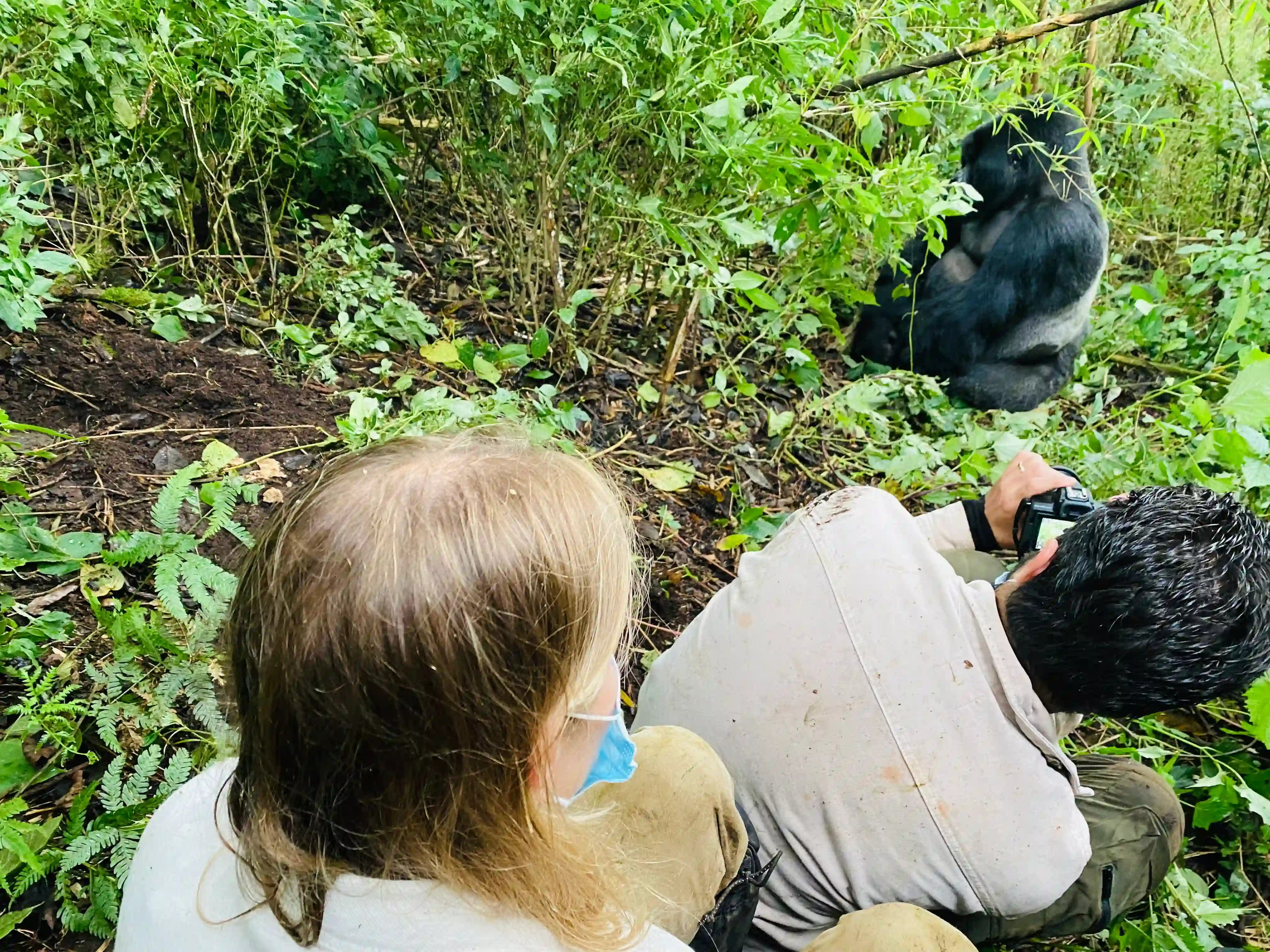
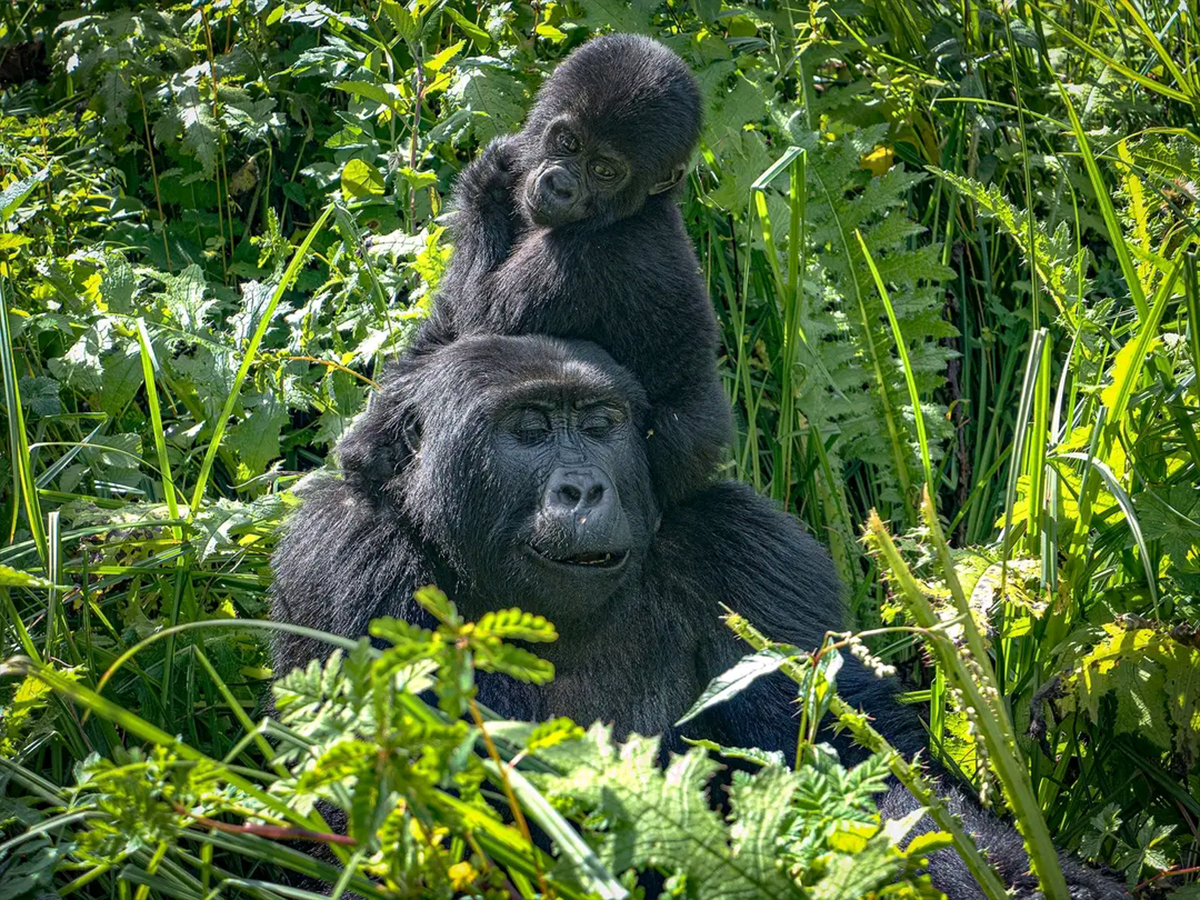
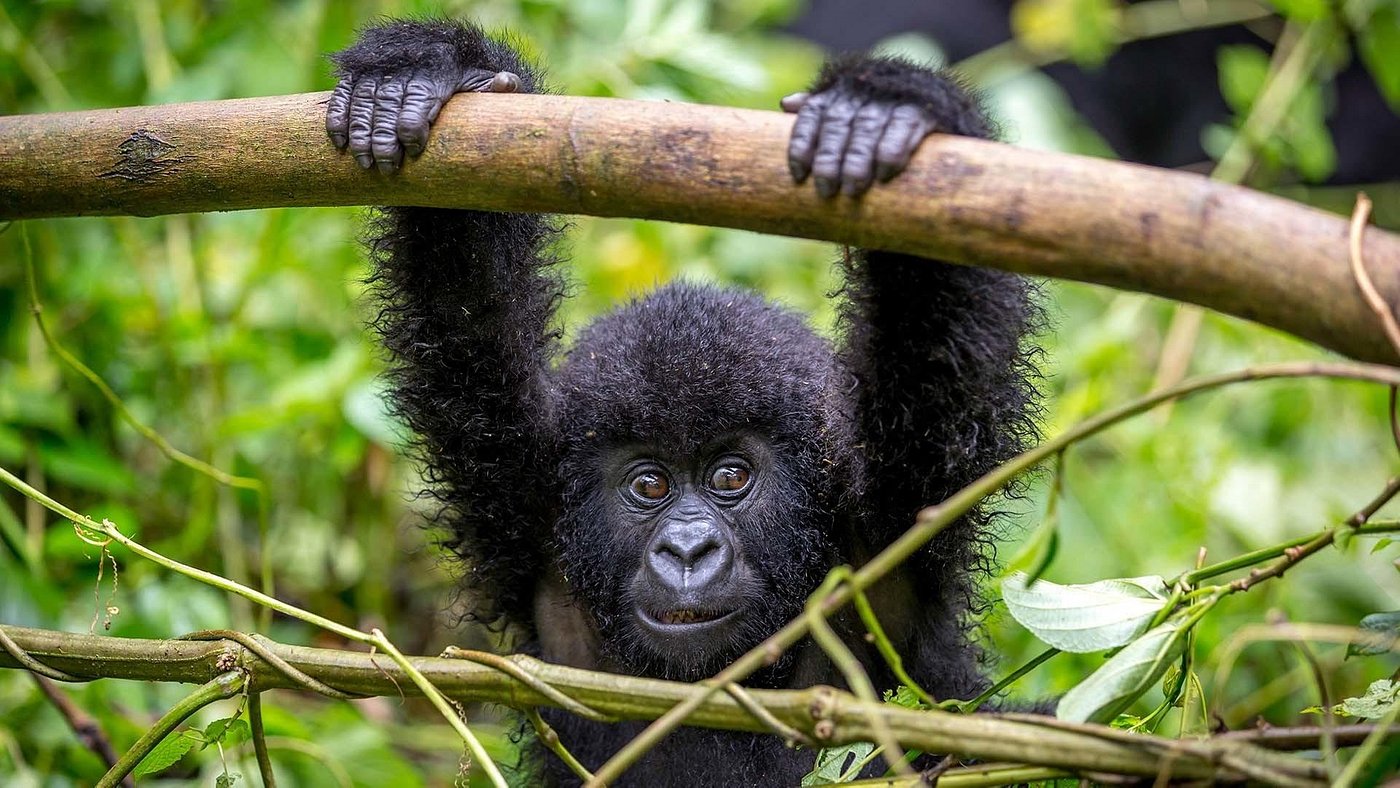
Bwindi lies at an altitude ranging from 1,160 to 2,600 meters and is a UNESCO World Heritage Site due to its exceptional biodiversity. It is home to nearly half of the world’s remaining mountain gorillas, making it one of the best places on Earth for gorilla trekking. Beyond gorillas, the park hosts over 120 mammal species, including forest elephants and monkeys, as well as more than 350 bird species and countless plant varieties.
Despite its remote feel, Bwindi is accessible from major towns like Kampala and can also be combined with nearby destinations such as Queen Elizabeth National Park and Lake Bunyonyi for a complete Ugandan safari experience.
Why visiting Bwindi Impenetrable National
1. Gorilla Trekking Experience
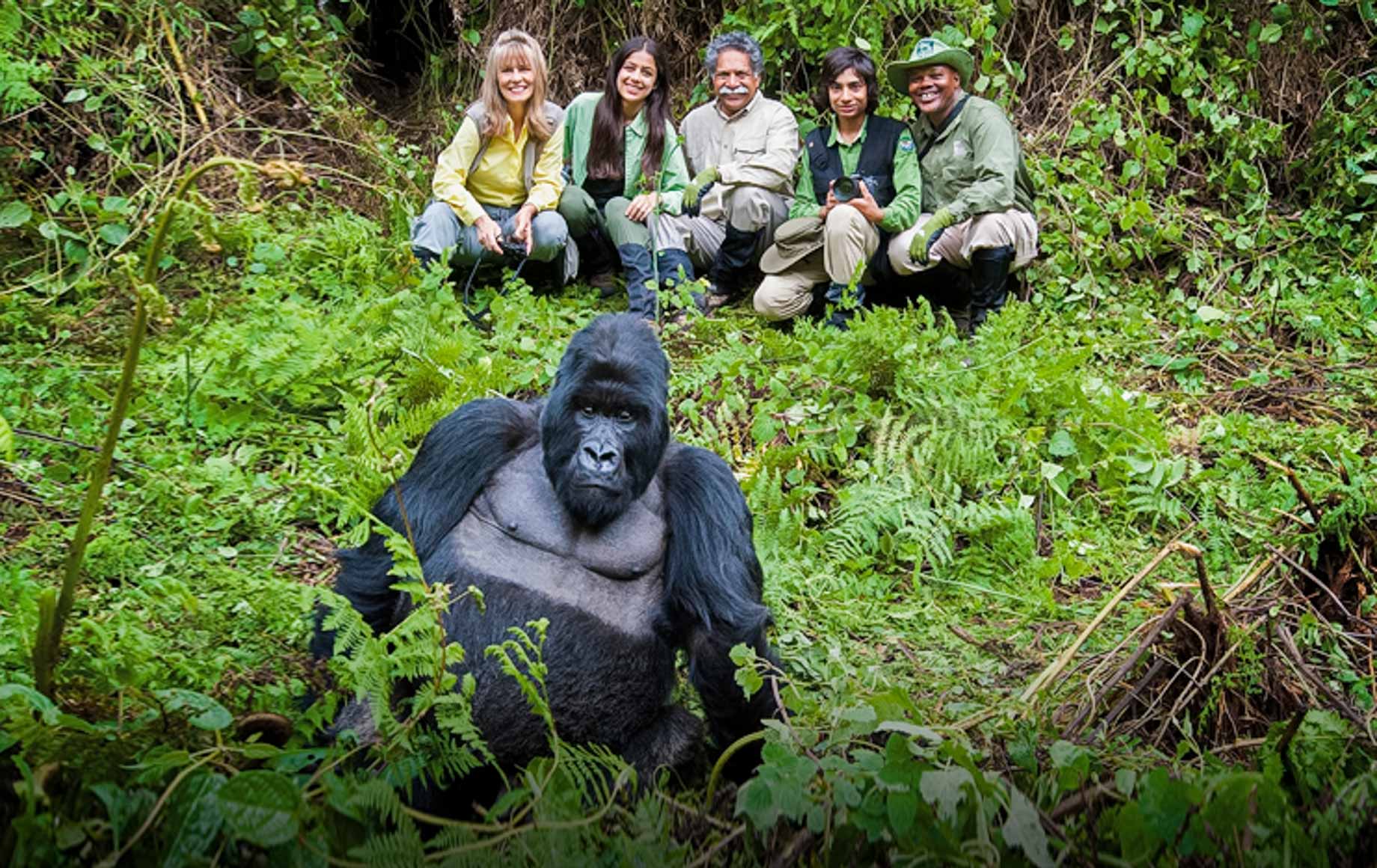
Get up close with endangered mountain gorillas in their natural habitat—an unforgettable once-in-a-lifetime encounter.
2. UNESCO World Heritage Site
Recognized globally for its unique biodiversity and conservation importance.
3. Incredible Biodiversity
Home to hundreds of species of mammals, birds, butterflies, and plants.
4. Ancient Rainforest
Explore one of Africa’s oldest forests, dating back over 25,000 years.
5. Birdwatching Paradise
Over 350 bird species, including many Albertine Rift endemics.
6. Cultural Experiences
Engage with the Batwa community and learn about their traditional forest lifestyle.
7. Scenic Landscapes
Steep hills, misty valleys, and dense jungle create dramatic views.
8. Unique Primate Encounters
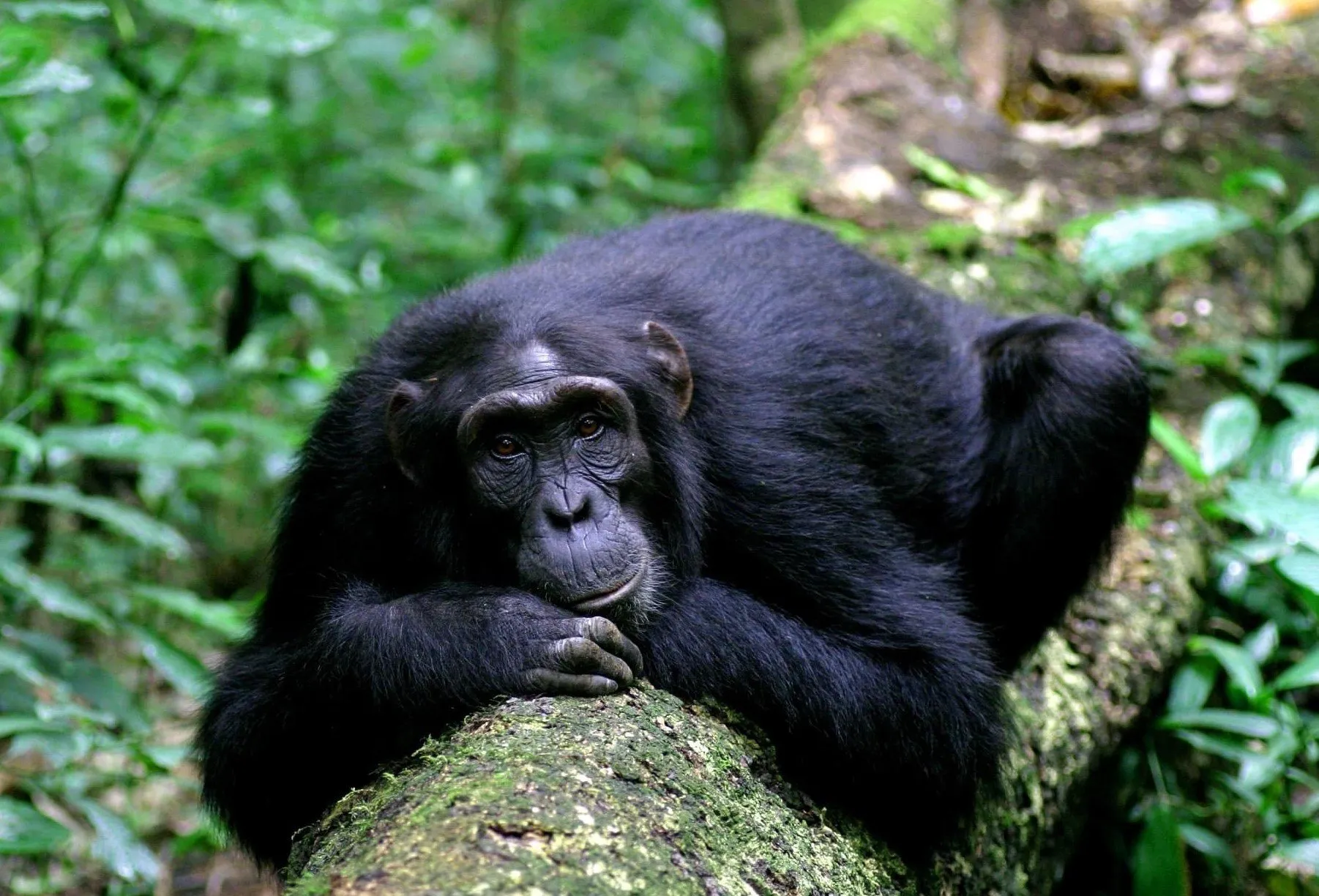
In addition to gorillas, see chimpanzees and other monkey species.
9. Peaceful & Remote
Offers a tranquil and immersive nature experience away from crowds.
10. Combined Safari Options
Pairs well with Queen Elizabeth National Park and other Ugandan highlights.
Best Time to Go
- June – August & December – February: Best for trekking with drier trails and easier hiking conditions.
- March – May & September – November: Rainy seasons; more challenging treks but lush scenery and fewer visitors.
Bwindi Impenetrable National
Packages for this Destination
Rwanda and Uganda Gorilla Trekking and Wildlife Safari
Rwanda-Uganda Golden Monkey and Gorilla Trekking
Uganda Gorilla Trekking & Wildlife Safari Experience
Uganda Wildlife, Primate & Gorilla Trekking Safari Adventure
Ultimate Apes and Wildlife Rwanda Uganda Safari